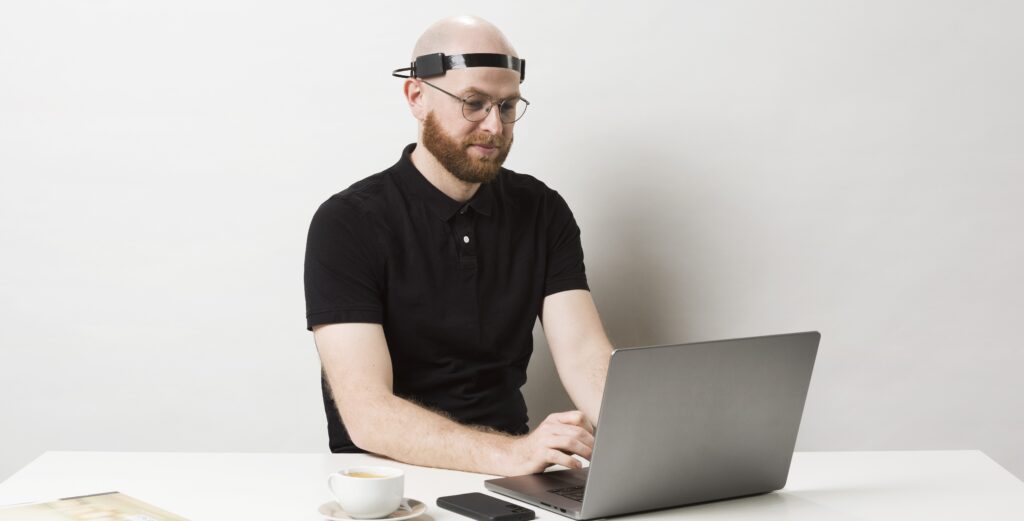
We believe that high-quality neuroscience tools should not be limited by complexity, cost, or environment. That is why we focus on building affordable, easy-to-use, and AI-powered systems that help professionals explore the brain in more natural, flexible, and scalable ways.
WHAT WE DO
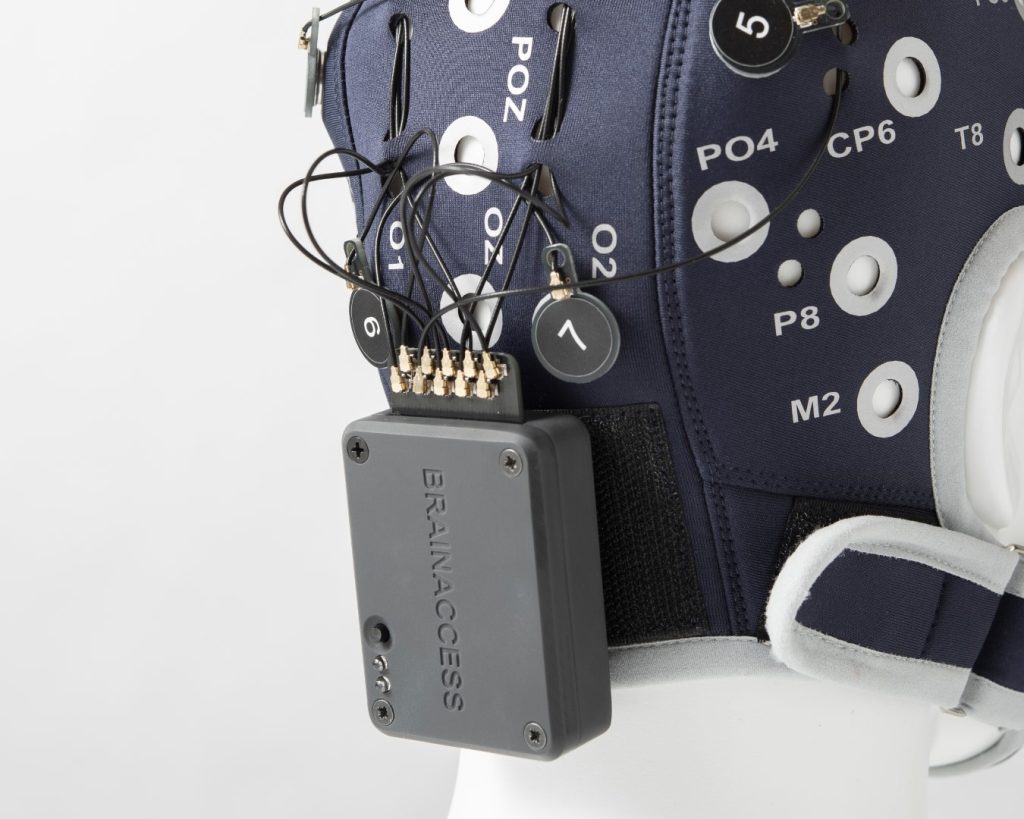
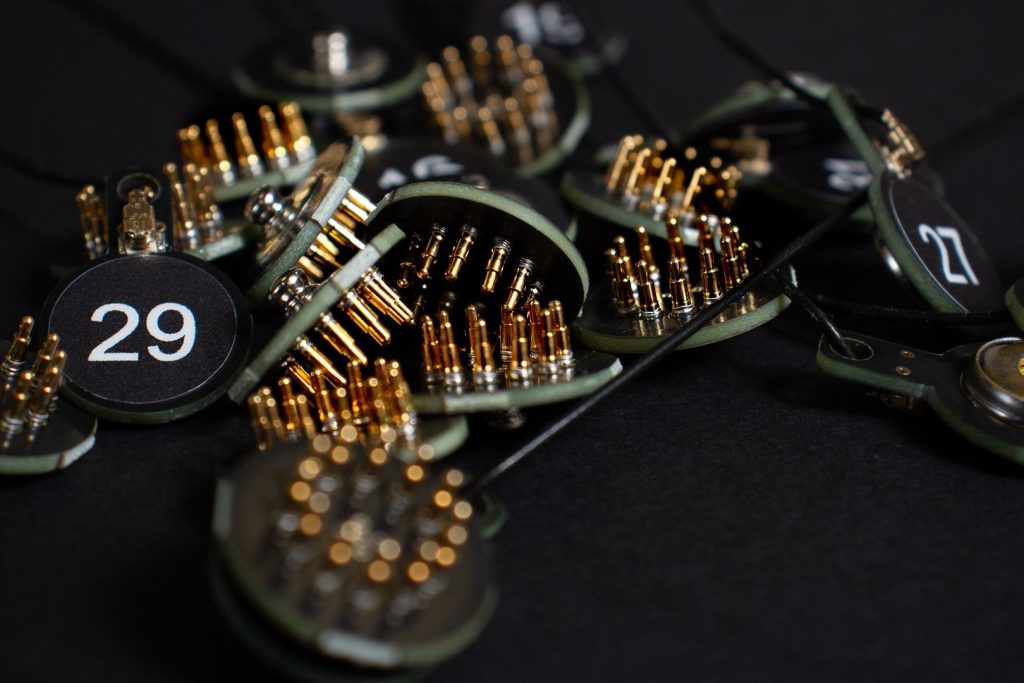
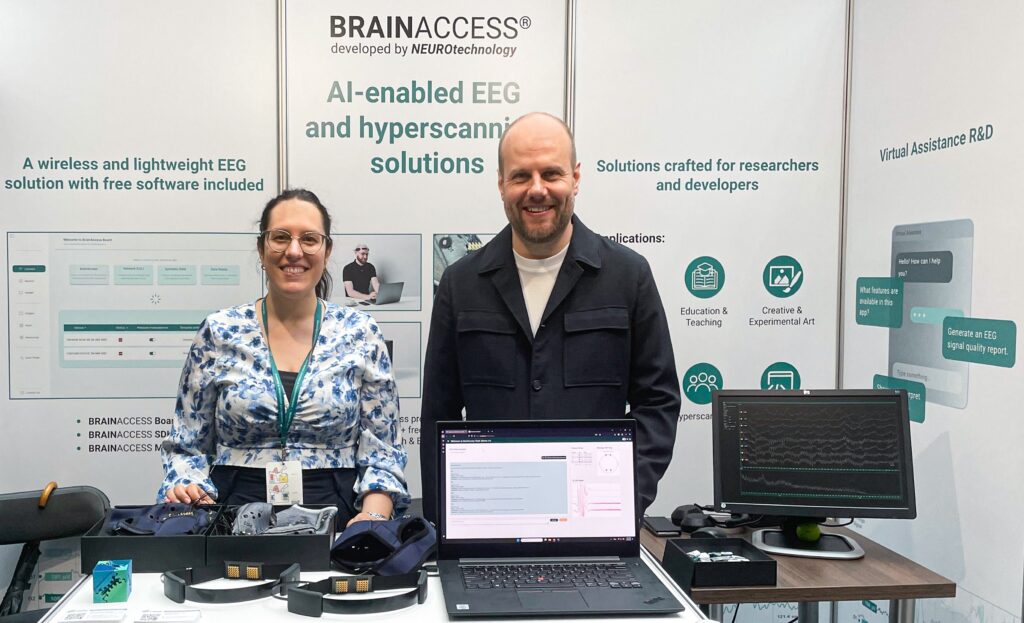
At BrainAccess we develop advanced EEG hardware and software designed specifically for neuroscience research and brain-computer interface (BCI) applications. Our products cater to both research and educational environments, offering a variety of solutions tailored to different scientific needs. We are dedicated to continuous innovation, always striving to push the boundaries of what’s possible in neurotechnology.
Follow us for daily news, updates, and insights on our products and EEG research!
OUR STORY
BrainAccess products are developed by Neurotechnology, a company with decades of expertise in machine learning, deep learning, and AI-related technologies.
Since its founding in 1990, Neurotechnology has been at the forefront of AI innovation, offering technologies in fields like biometrics, computer vision, brain-computer interfaces (BCI), natural language processing (NLP), and ultrasound. Neurotechnology has a reputation for its range of biometric products and became a world leader for its fingerprint and palm print identification algorithms.
The Neurotechnology Engineering department creates integrated hardware and software systems for a wide range of uses, including latent fingerprint scanners, directional audio technologies, and innovative brain-computer interface (BCI) solutions. The BrainAccess project, launched in 2019, represents Neurotechnology’s dedication to advancing BCI technology by combining cutting-edge engineering with neuroscience and AI expertise.
Our team bring together expertise from electrical engineering, neuroscience, biophysics, computer science, machine learning, and AI.
This multidisciplinary approach allows us to deliver comprehensive, state-of-the-art tools that empower researchers, educators, and innovators in exploring the complexities of the human brain.