
Imagine a computer that doesn’t rely on silicon chips and electricity alone, but instead harnesses the power of living cells. This isn’t science fiction, it’s the emerging reality of biocomputers, a revolutionary fusion of neuroscience, biotechnology, and computer engineering.
What Are Biocomputers?
Biocomputers represent a paradigm shift in how we think about computation. At their core, they use actual living neurons as the processing units, rather than traditional transistors. These neurons are organized into structures called organoids, which are tiny, simplified versions of brain tissue grown in laboratories from stem cells.
But why go through all this trouble? The answer lies in efficiency. The human brain is an extraordinary computing machine, consuming only about 20 watts of power while performing calculations that would require megawatts from conventional supercomputers. A biocomputer promises to bring some of that remarkable energy efficiency into our computational infrastructure, potentially revolutionizing fields from artificial intelligence to climate modeling.
How Biocomputers Work
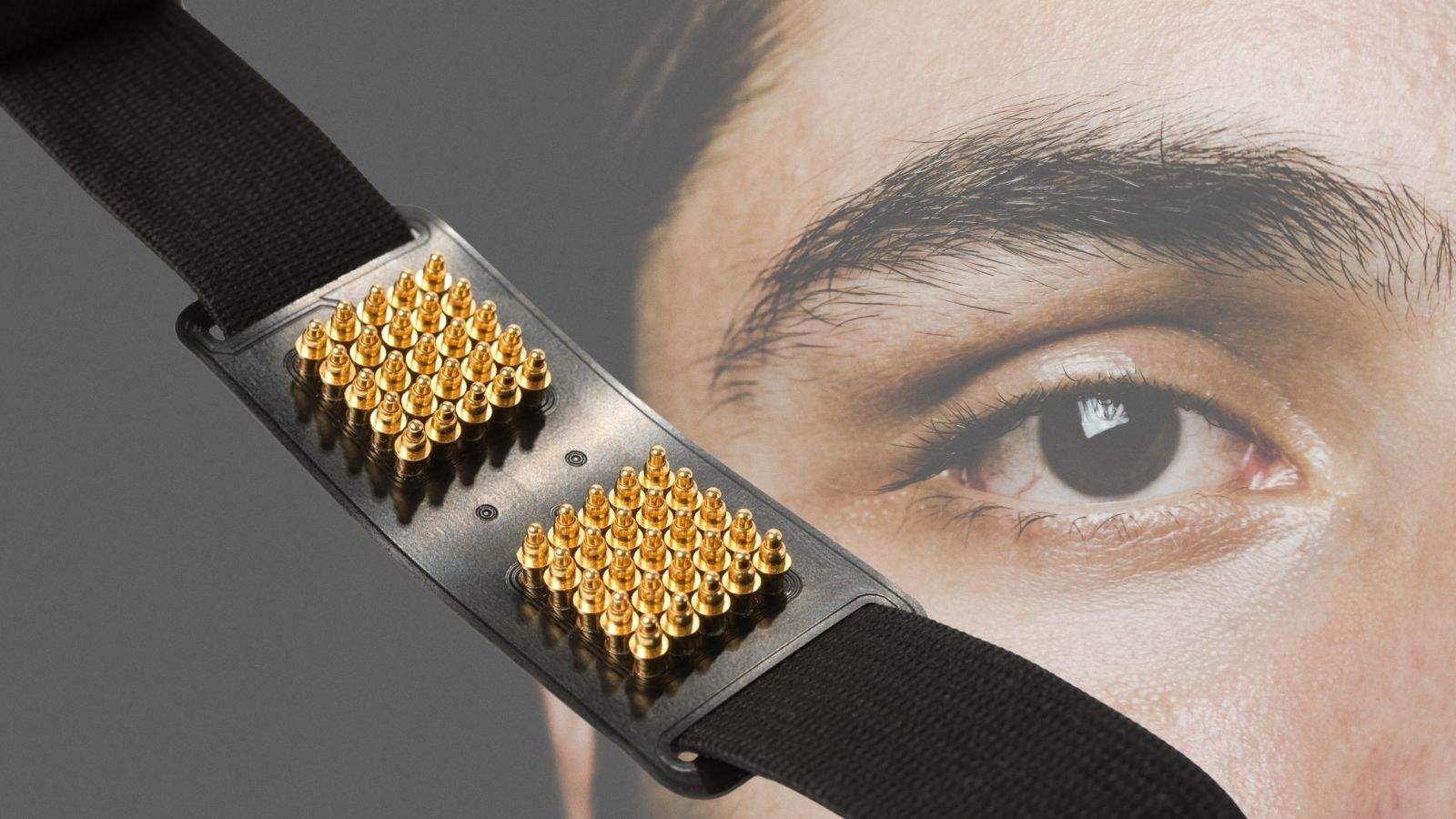
A biocomputer is a hybrid system that bridges the biological and digital worlds. The living component consists of neurons, while everything else—the structure that keeps them alive, the electrodes that transmit inputs and receive outputs, and the interface for communicating with the system—are traditional computer components.
The neural cells are arranged in organoids, which can be either two-dimensional or three-dimensional structures positioned on chips equipped with electrodes.
This is why researchers refer to these projects as Organoid Intelligence (OI).
Operationally, a biocomputer functions as a specialized incubator. The organoid is maintained in a controlled culture with carefully regulated atmosphere and temperature, typically around 37°C, the normal human body temperature. Beyond the network cables for connectivity and power supply, the system includes two connectors for gases: nitrogen and carbon dioxide, which help maintain the precise conditions needed to keep the neurons alive and functioning.
Creating Living Neural Networks
The process of creating these neural organoids is a marvel of modern biotechnology.
Scientists begin with stem cells, often induced pluripotent stem cells (iPSCs), which are adult cells that have been genetically reprogrammed to behave like embryonic stem cells. These versatile cells can then be coaxed into becoming neurons through carefully controlled chemical and environmental signals.
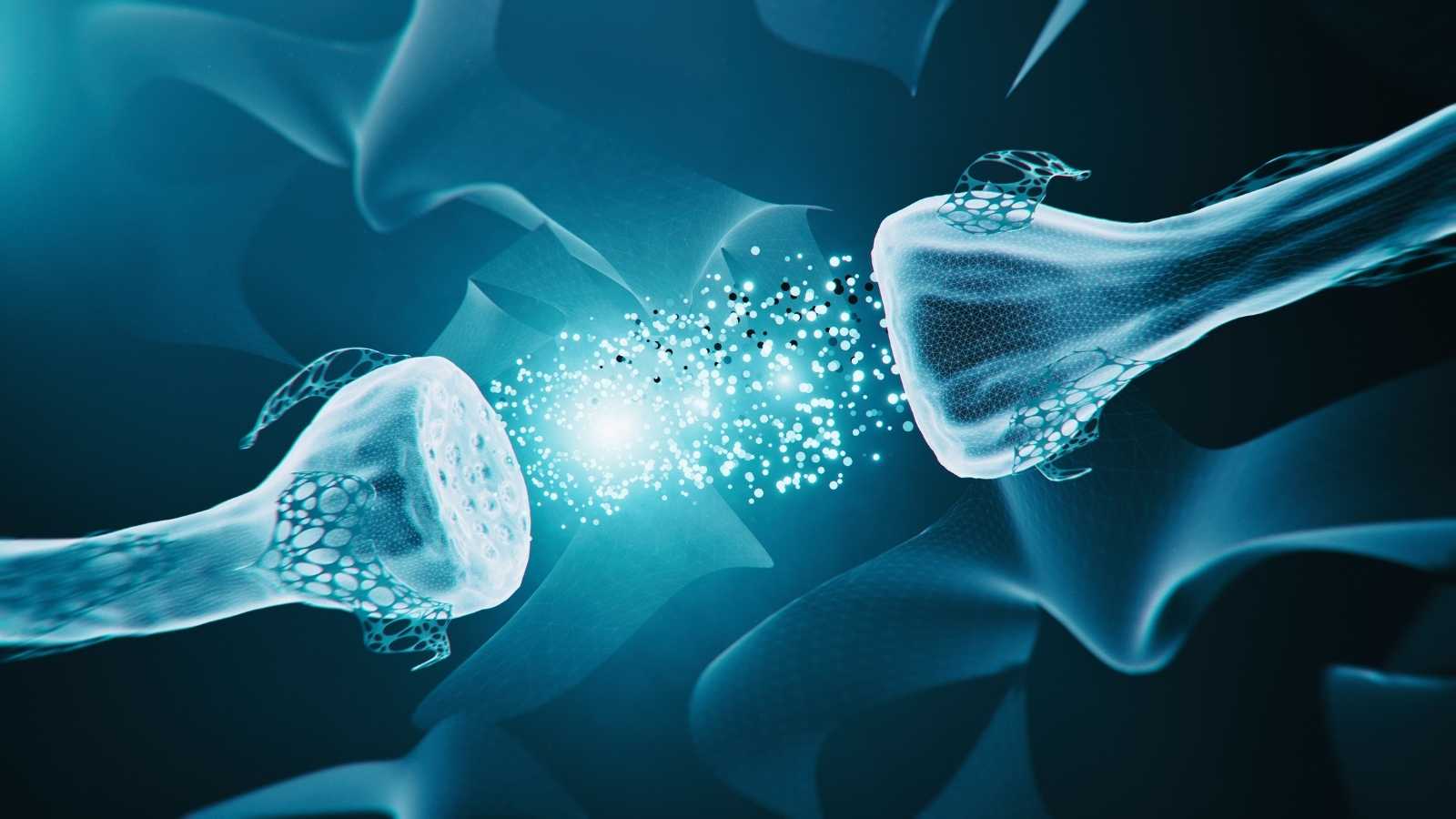
Over several weeks, these stem cells differentiate and self-organize into three-dimensional brain organoids. These miniature brain-like structures develop many of the characteristics of real brain tissue, including neural connections called synapses. Once mature enough, the organoids are integrated into the computing platform where electrodes can stimulate specific neurons and record their electrical activity.
The beauty of this approach is that the neurons can actually learn and adapt, forming new connections based on the stimuli they receive, a property called plasticity that makes biological systems far more flexible than traditional computers.
The CL1: Europe’s First Biocomputer
One of the most significant developments in this field is the CL1 biocomputer, developed by the Australian company Cortical Labs. The CL1 represents the first commercial biocomputer system and has recently made its way to Europe, where it’s being used in groundbreaking research.
The CL1 unit that arrived at Reply (a technology consulting firm) is already hard at work as part of a collaboration with the Department of Pathophysiology and Transplantation of University of Milan (Italy). This partnership marks Europe’s first major foray into biocomputing research, positioning the continent at the forefront of this emerging technology.
What can the CL1 do?
Researchers have already achieved some remarkable demonstrations. In recent days, the team successfully played their first game of Pong with the organoids they prepared, something the biocomputer had learned to do previously.
The visual demonstration below (from minute 11:20) shows the game display on one side and the corresponding configuration of electrodes being stimulated by the neurons on the other. Experts can configure this system to control the ball and paddle, essentially teaching the neurons to play the classic video game.
While playing Pong might seem trivial, it demonstrates something profound: these living neurons can learn tasks, adapt to challenges, and improve their performance over time—all hallmarks of genuine intelligence. The fact that biological cells can be trained to interact with digital systems opens up possibilities we’re only beginning to explore.
The Future of Computing
Biocomputers like the CL1 are still in their infancy, but they represent a fascinating convergence of biology and technology. As researchers continue to push the boundaries of what’s possible, we may be witnessing the birth of an entirely new computing paradigm, one that blurs the line between the grown and the built, between the living and the engineered.
The implications are vast. Beyond energy efficiency, biocomputers could excel at tasks that require pattern recognition, learning, and adaptation, areas where the human brain still vastly outperforms traditional computers. From drug discovery to climate modeling, from personalized medicine to advanced AI, the potential applications are limited only by our imagination.