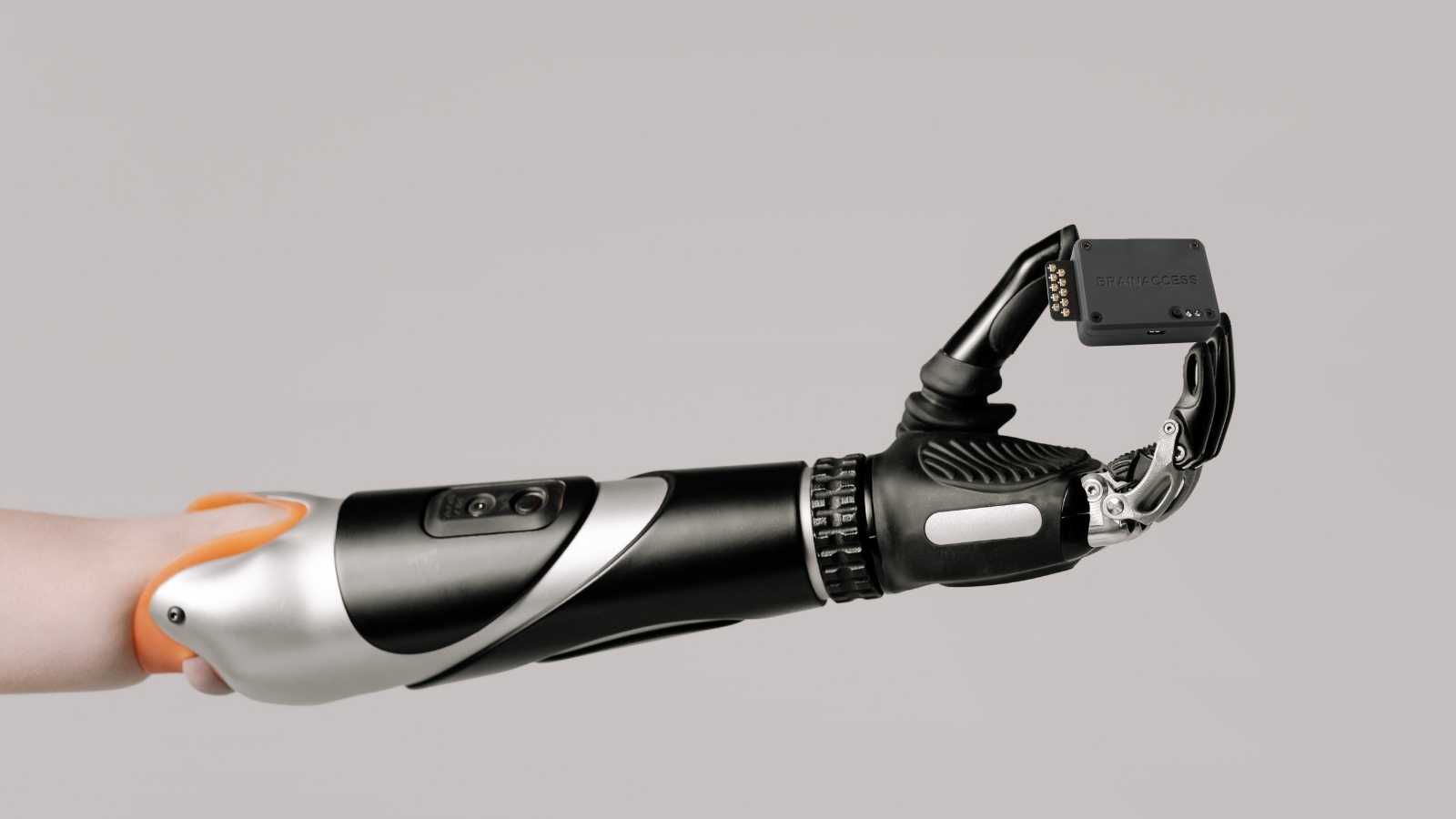

We are excited to share that BrainAccess MINI has been featured in a recent conference paper (Kubascik, Karpis, Sevcik, 2025) showcasing its use in an applied Human-Computer Interaction (HCI) and prosthetic control research setting. The study focuses on one of the hardest and most impactful problems in prosthetic research today: synchronizing multiple biosignals in time. Modern prosthetic systems rarely rely on a single signal; they integrate EEG, EMG, and motion sensors to capture intention, execution, and feedback. For these systems to be responsive and reliable, all signals must be precisely aligned in time, a requirement that directly affects the daily lives of more than 57 million people worldwide living with limb loss.
A synchronized multimodal paradigm for prosthetic control
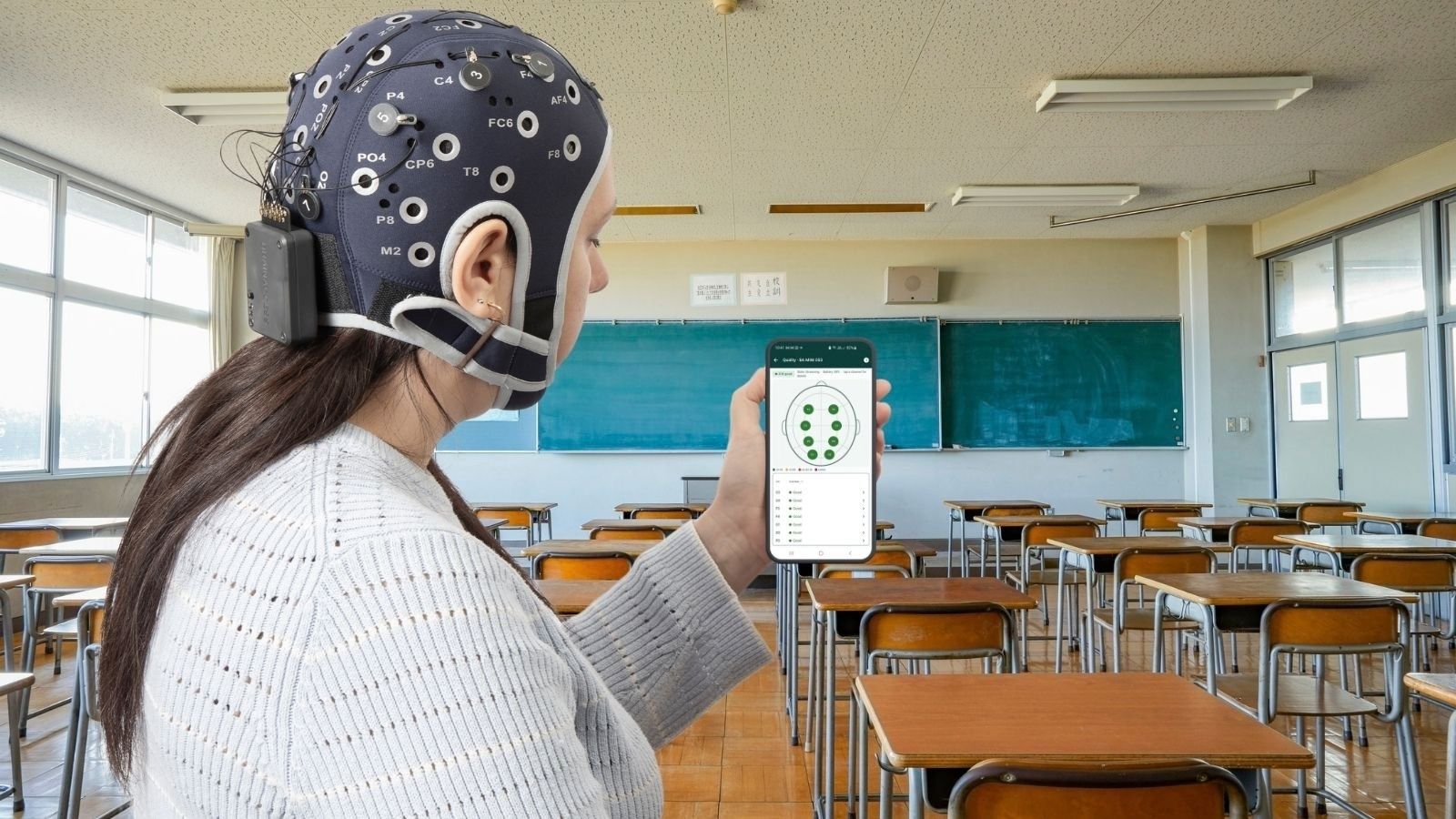
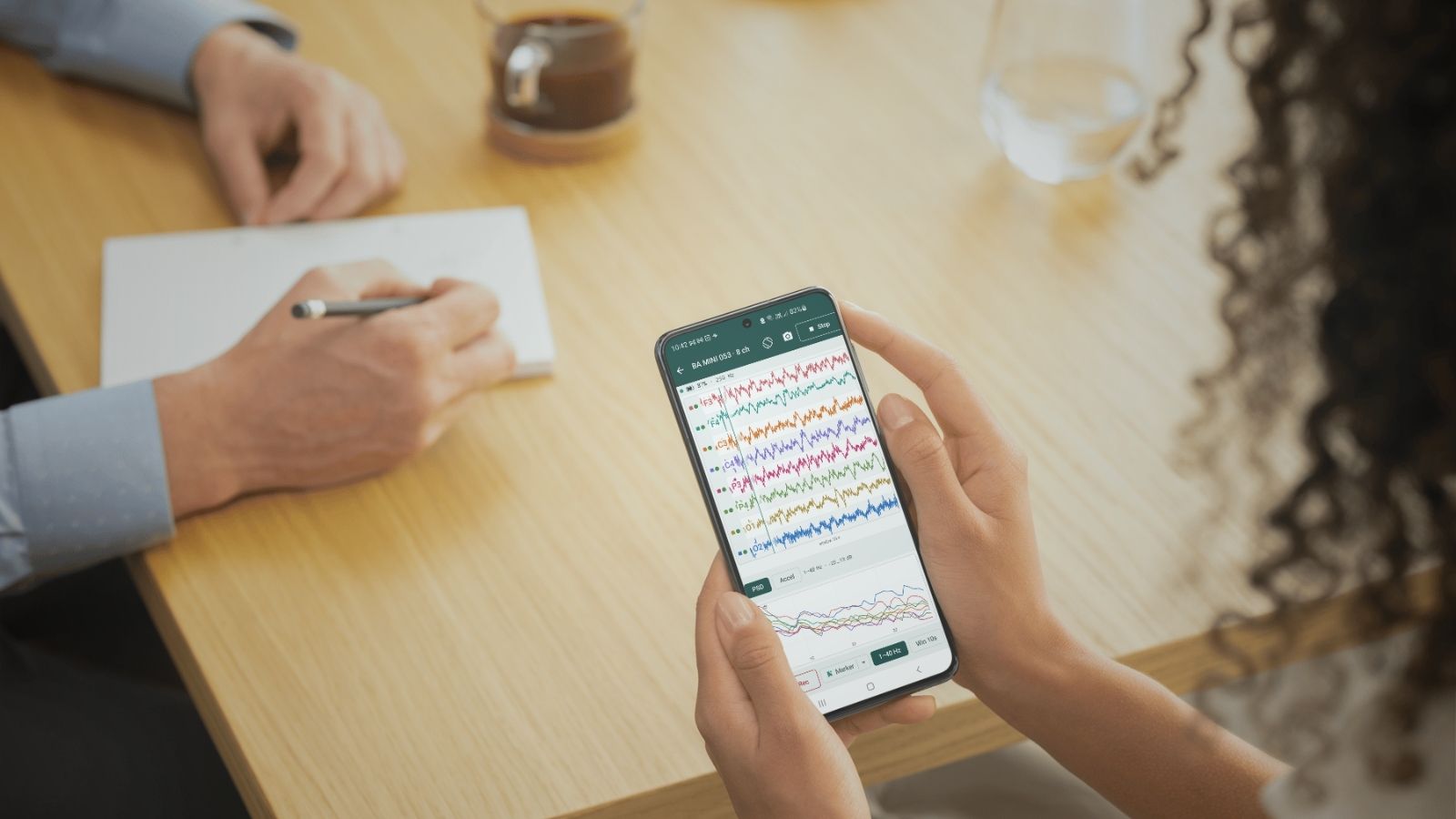
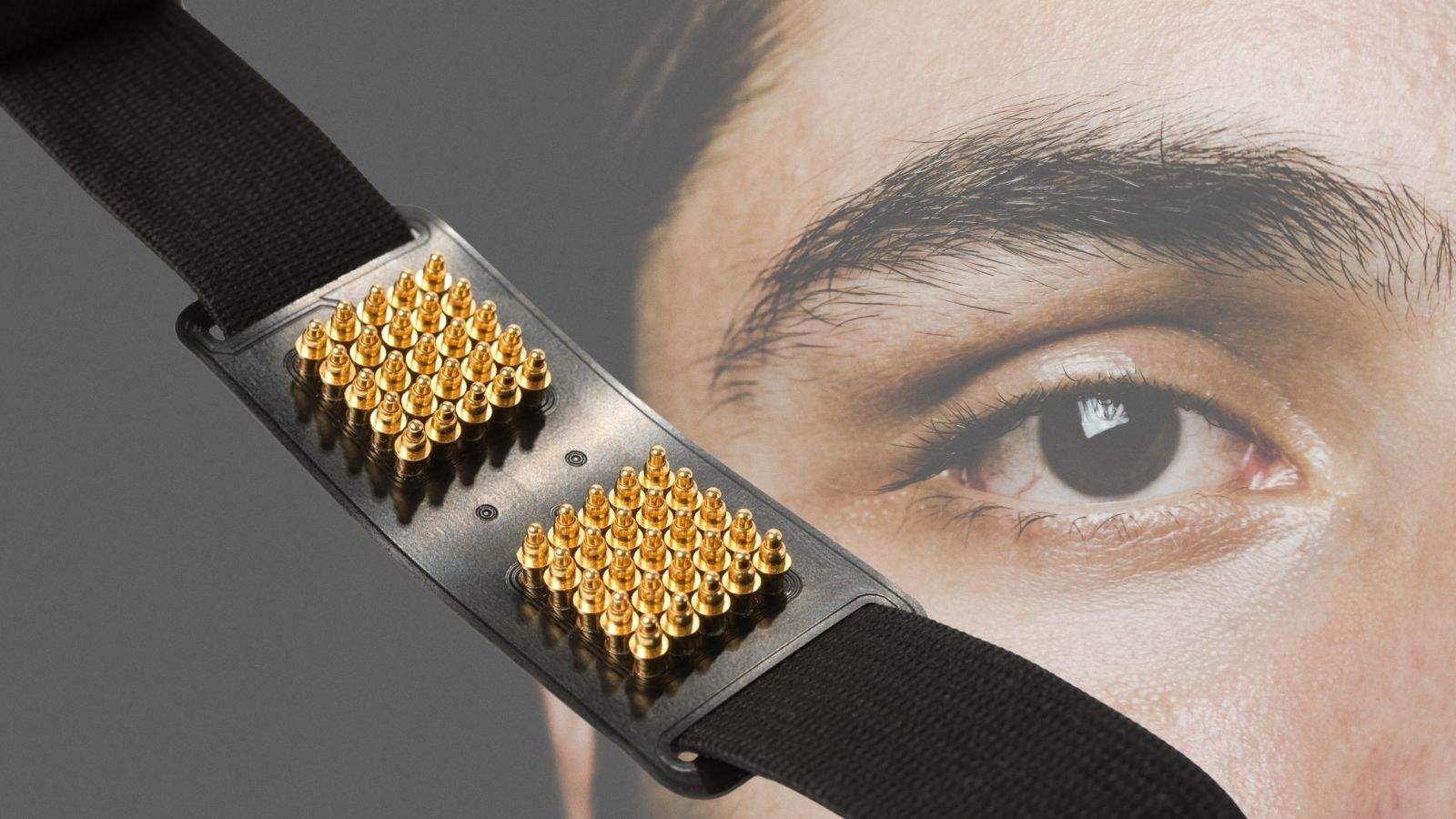
To tackle this challenge, the authors propose a synchronized acquisition paradigm designed specifically for multimodal prosthetic research. Their approach is built around Lab Streaming Layer (LSL), which allows multiple data streams to be timestamped and aligned on a shared timeline. Using their custom BioLab application, EEG, EMG, and other biomedical signals can be streamed over the network in real time while preserving precise temporal synchronization. In this setup, BrainAccess MINI is used as the EEG device, chosen for its compact form factor, wireless operation, dry electrodes, and embedded accelerometer — all features that make it well suited for experiments that involve movement and real-world interaction.
MINI is combined with a custom-developed EMG bracelet inspired by the MYO armband, as well as additional compact sensing hardware for motion tracking. The overall system is intentionally modular, allowing different sensor types to be integrated without sacrificing timing accuracy.
System validation, activities, and early results
Participants in the study took part in two core activity types: resting state recordings and physical activity involving simple, repeatable hand movements. This choice reflects realistic prosthetic use scenarios, where systems must handle both baseline conditions and active movement. All devices were synchronized via LSL, ensuring that neural, muscular, and motion signals were temporally aligned with millisecond precision.
In the preliminary validation phase, the authors successfully achieved synchronized acquisition of EEG and EMG using BrainAccess MINI together with their custom EMG armband. The measured synchronization accuracy was within ±1 millisecond across modalities, enabling reliable multimodal analysis and real-time system behavior.
Importantly, this experimental setup is not a one-off prototype: the same synchronized pipeline will serve as the backbone for the final measurement campaign, supporting larger datasets and more advanced modeling without changing the acquisition design.
Why this use case matters
Beyond validation, the ambition of this work is to create a new synchronized dataset for prosthetic control, enabling meaningful fusion of EEG and EMG signals and supporting machine learning models that can run efficiently on low-power embedded devices. The authors explicitly point toward hybrid architectures and real-time decoding as future directions, areas where robust synchronization is not optional, but essential.
From our perspective, this paper highlights exactly why MINI was designed the way it is: to be a practical, research-ready EEG device that fits naturally into multimodal HCI and BCI systems. We’re genuinely excited to see our devices being used in research with such clear translational intent, and we’re looking forward to how this work evolves as the dataset grows and the system moves closer to real-world prosthetic deployment.
Reference
Kubascik, M., Karpis, O., & Sevcik, P. (2025). Prosthetics control using biosignals based human-machine interface and machine learning. IFAC-PapersOnLine, 59(35), 226-231. https://doi.org/10.1016/j.ifacol.2025.12.480