BrainAccess at AI in Medicine Event

BrainAccess at AI in Medicine Event

BrainAccess team Avatar

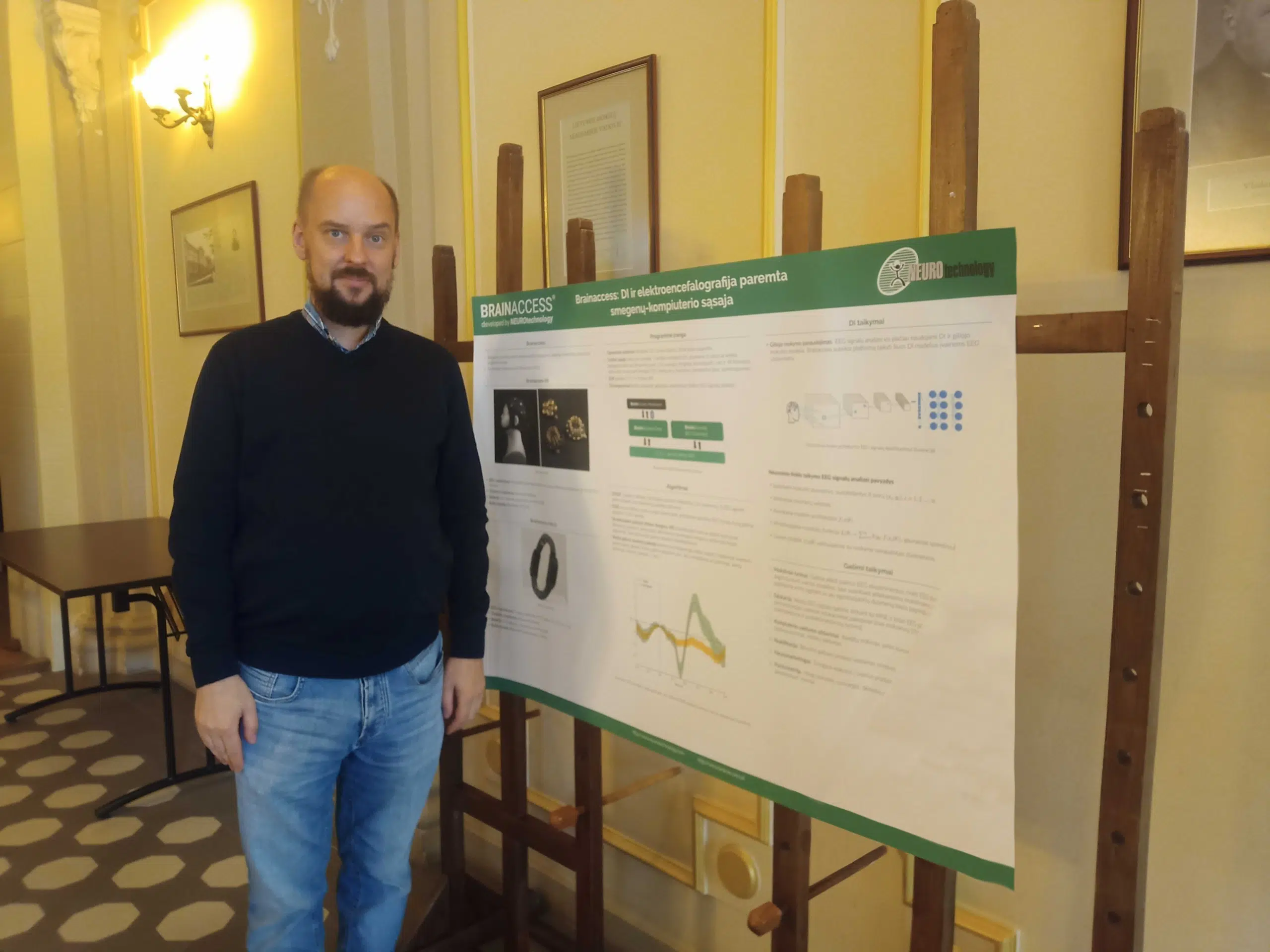
The Neurotechnology team presented their work and products at the recent “Artificial Intelligence Technologies in Medicine: Research and Diagnostics” event held at the Lithuanian Academy of Science. This gathering, focused on the intersection of artificial intelligence and medical advancements, provided an ideal platform for BrainAccess to showcase its technologies and their multifaceted applications.

At the event, the researchers from both world, medicine and AI, met and it was a good opportunity for the BrainAccess team to meet professionals from the university and industry as well. Even though the application of AI in medicine is ever expanding, researchers discussed the obstacles in developing new algorithms and applications together with the roles that universities, industry, and the Lithuanian AI Association have or should have to propel AI adoption.

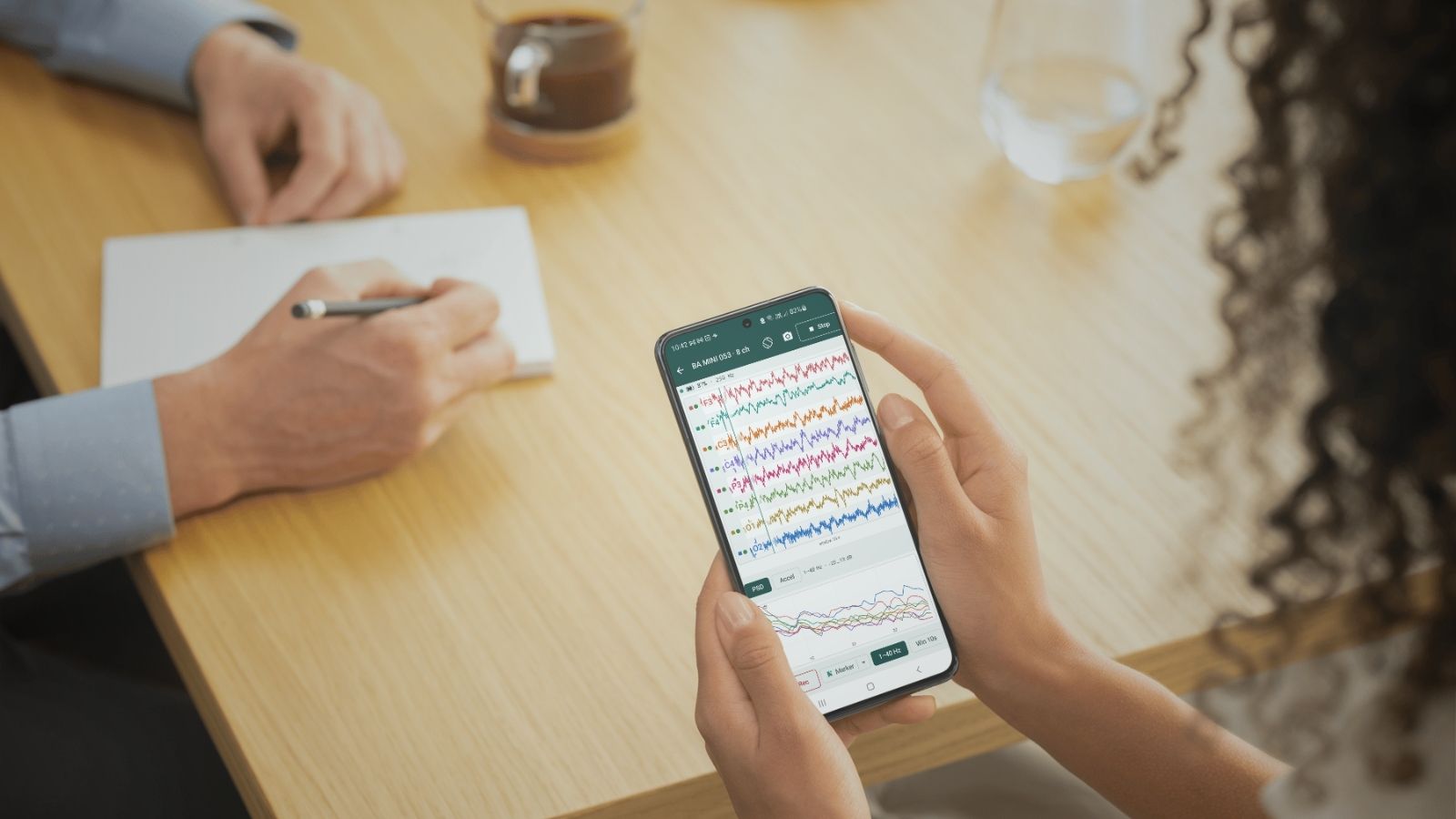
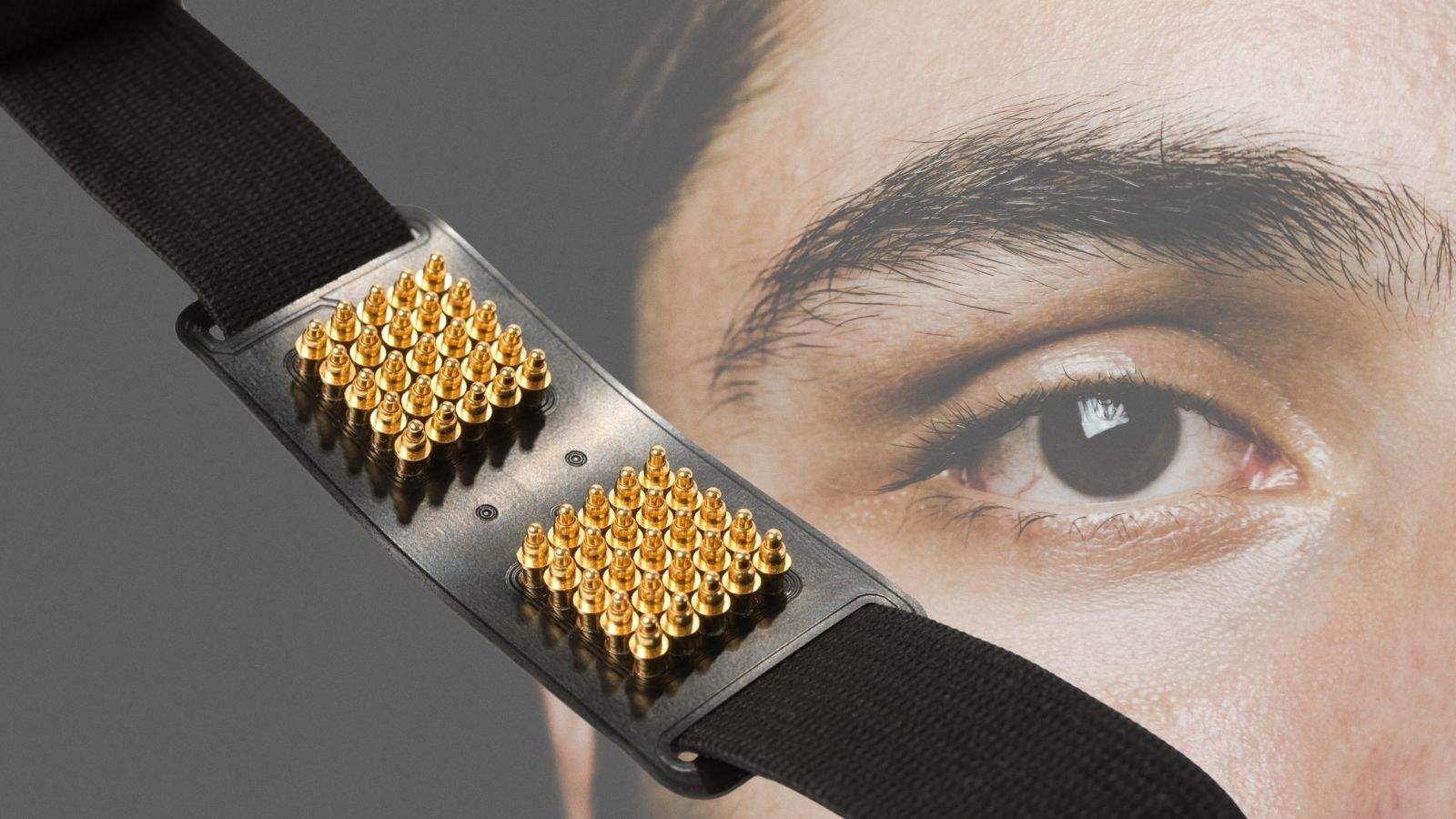
BrainAccess products offer a comprehensive hardware and software ecosystem for setting up and performing EEG and BCI experiments. The cornerstone of BrainAccess’s offerings lies in its mobile and comfortable dry-contact EEG systems, hyperscanning capabilities, and easy-to-use software. Our team member Dr. Povilas Daniusis engaged in meaningful discussions with other attendees about BrainAccess products and the research the team is undertaking.
BrainAccess at AI in Medicine Event - BrainAccess
MORE Posts
  • From Literature to Live Data: LLMs as Full-Cycle Research Companions

    From Literature to Live Data: LLMs as Full-Cycle Research Companions

    For decades, the challenge in neuroscience has not only been collecting brain data, it has been making sense of it. EEG signals are noisy, high-dimensional, and shaped by dozens of interacting variables. Interpreting them well has traditionally required years of specialist training. But a growing body of evidence suggests that large language models (LLMs) may…

  • When Sound Becomes Medicine: BrainAccess HALO in Music Therapy Research

    When Sound Becomes Medicine: BrainAccess HALO in Music Therapy Research

    Can lying on a vibrating table listening to carefully crafted audio actually change your brain? A team of Portuguese engineers built a system to find out and the results are surprisingly measurable. Sound therapy is one of those ideas that sits awkwardly between ancient wisdom and modern science. Cultures across history have used chanting, singing…

  • Multimodal Integration: How Your Experiment Can Benefit from Multiple Modalities

    Multimodal Integration: How Your Experiment Can Benefit from Multiple Modalities

    In this article, we explore multimodal integration, the practice of combining signals from different sensors in the same experiment to build a richer, more reliable picture of brain activity, cognitive states, and physiology. At BrainAccess, this is a direction we are actively building toward, with two major developments in the pipeline: a new HALO headband…

  • Cleaner Brain Signals with ATAR: a tunable wavelet algorithm

    Cleaner Brain Signals with ATAR: a tunable wavelet algorithm

    EEG is one of the most powerful tools we have for reading brain activity in real time. But raw EEG signals are messy, full of noise from muscle movements, eye blinks, heartbeats, and motion. Cleaning that noise without discarding genuine neural information is one of the central challenges of brain-computer interface design. Meet ATAR, a…