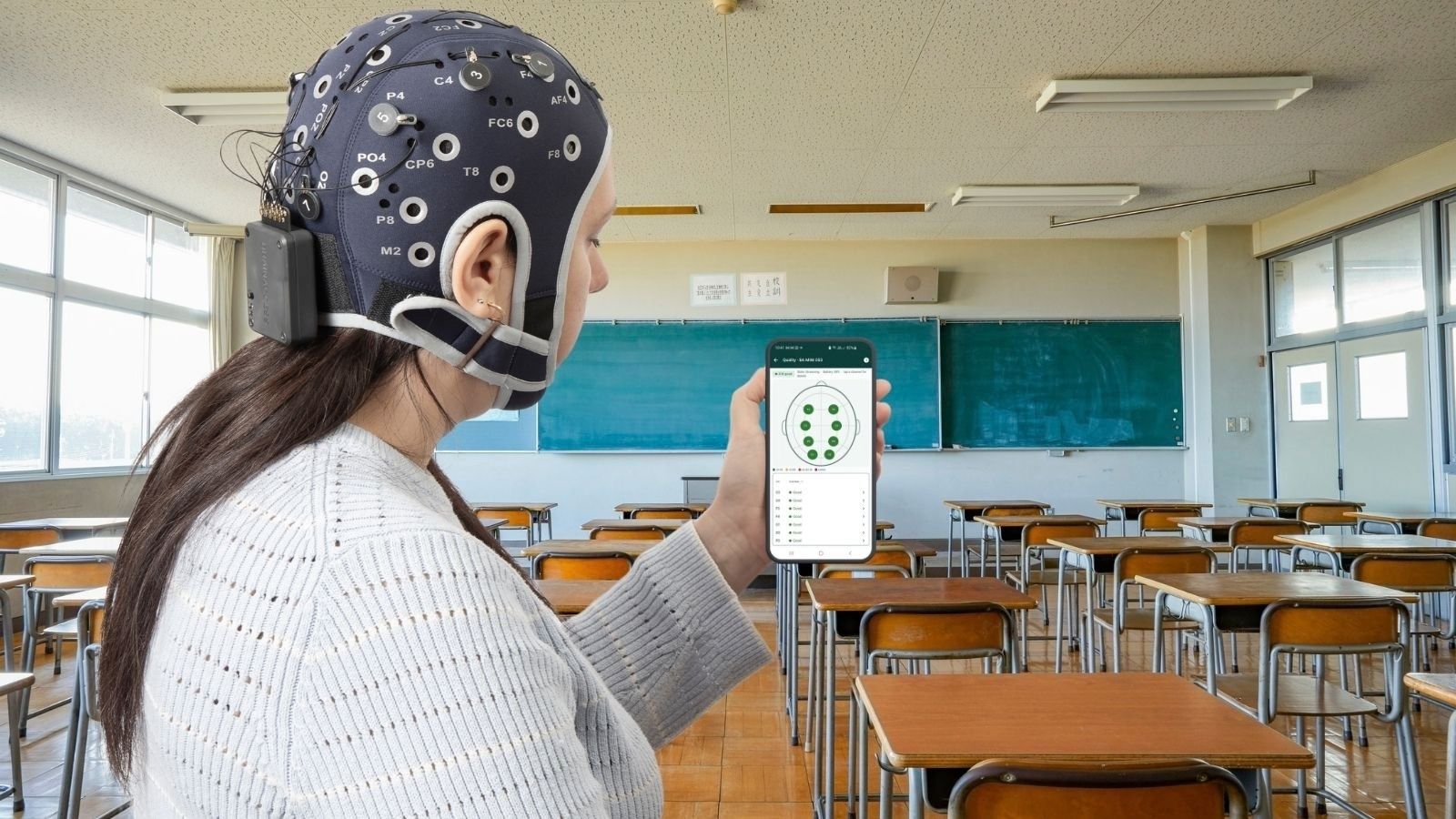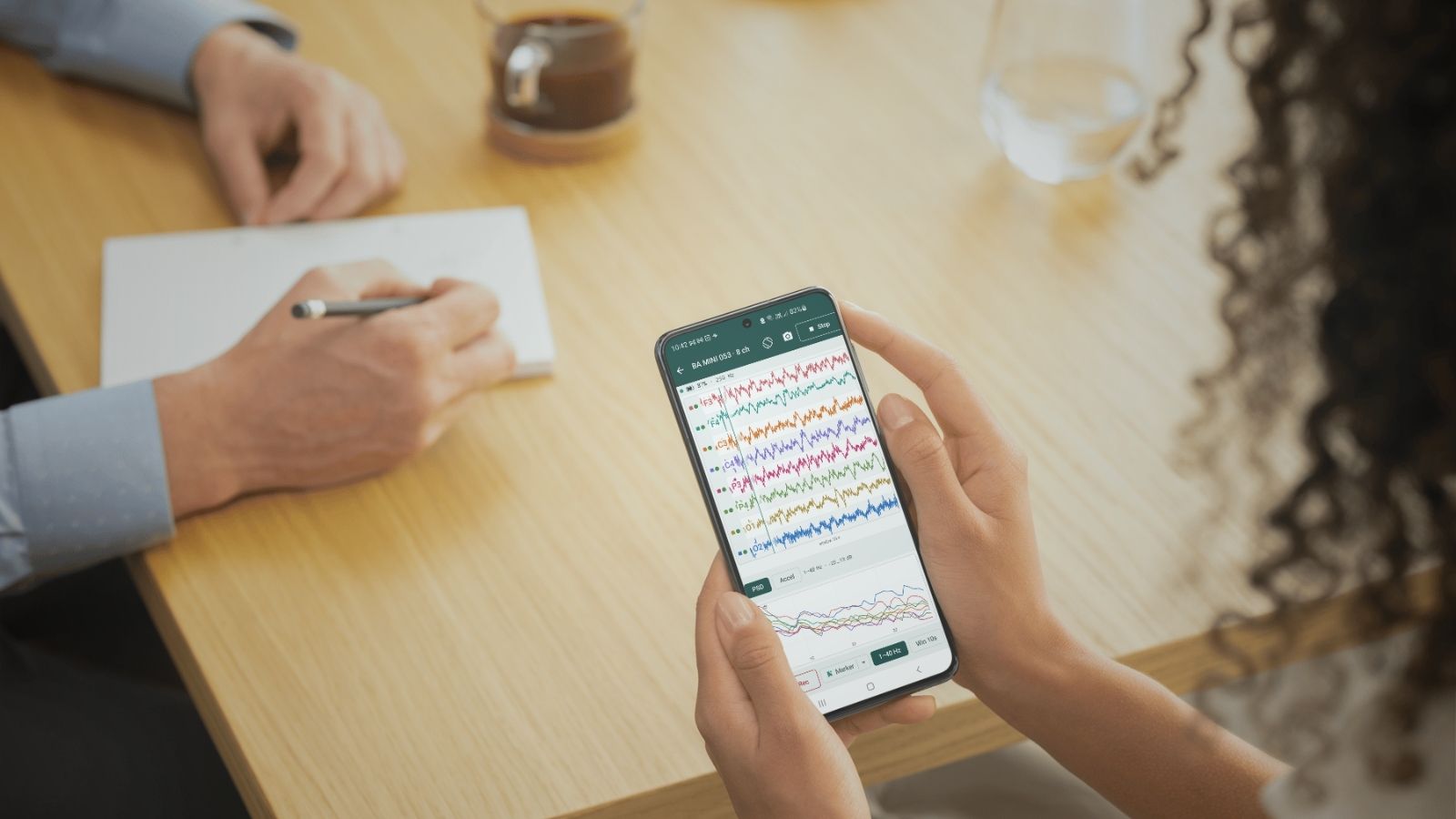

In an era where personalized education and real-time feedback are becoming essential, the role of brain-computer interface (BCI) technologies, particularly electroencephalography (EEG), is more relevant than ever. Once confined to laboratories, EEG has now the potential to step into classrooms, lecture halls, and even virtual learning environments, thanks to advances in portability, affordability, and AI integration.
From Brainwaves to Breakthroughs
EEG captures electrical signals from the brain, allowing researchers and educators to monitor attention, engagement, cognitive load, and emotional responses during learning activities. This opens up new possibilities in tailoring educational content and strategies based on how students actually process information, not just how they perform in tests.
Hyperscanning: Learning as a Shared Experience
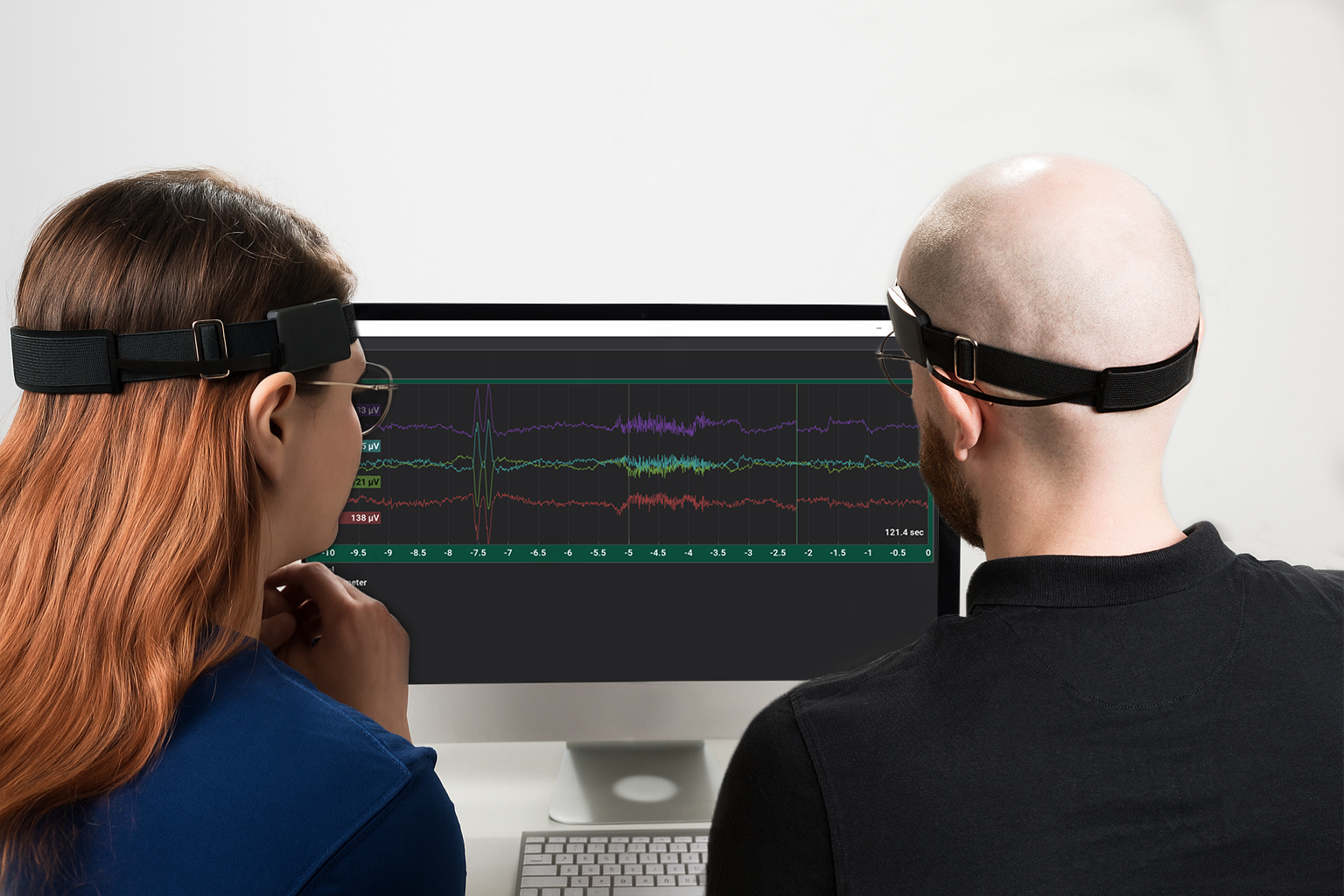
One of the most exciting developments in educational neuroscience is hyperscanning, the simultaneous EEG recording of multiple individuals. In a classroom, this could mean monitoring both students and teachers during a lesson, revealing patterns of mutual engagement and communication efficiency. For example:
- Teacher-student synchrony can predict learning outcomes.
- Group-based brain synchrony can inform collaborative learning strategies.
- Social attention tracking can guide inclusive practices, ensuring all students remain cognitively connected to the experience.
AI Meets EEG: Towards Truly Adaptive Learning
Combining EEG data with artificial intelligence creates powerful feedback loops. Artificial Intelligence (AI) can analyze brainwave patterns to adjust the pace, difficulty, or modality of instruction in real time. This can support:
- Neuroadaptive tutoring systems that personalize content delivery.
- Real-time feedback for educators on class-wide attention or fatigue levels.
- Cognitive state detection (e.g., overload, boredom, focus) to inform breaks, gamified elements, or micro-interventions.
These applications are not just futuristic dreams. They are being prototyped and tested today in research settings, and they hold tremendous potential for scalability.
Making It Real: The Need for Portable and Accessible EEG
For EEG to truly transform education, it must be:
- Portable: Easy to wear in real-world classrooms or remote learning contexts.
- Lightweight and comfortable: Suitable for long sessions, children, and diverse users.
- Affordable: Scalable to schools, universities, and even home-based learners.
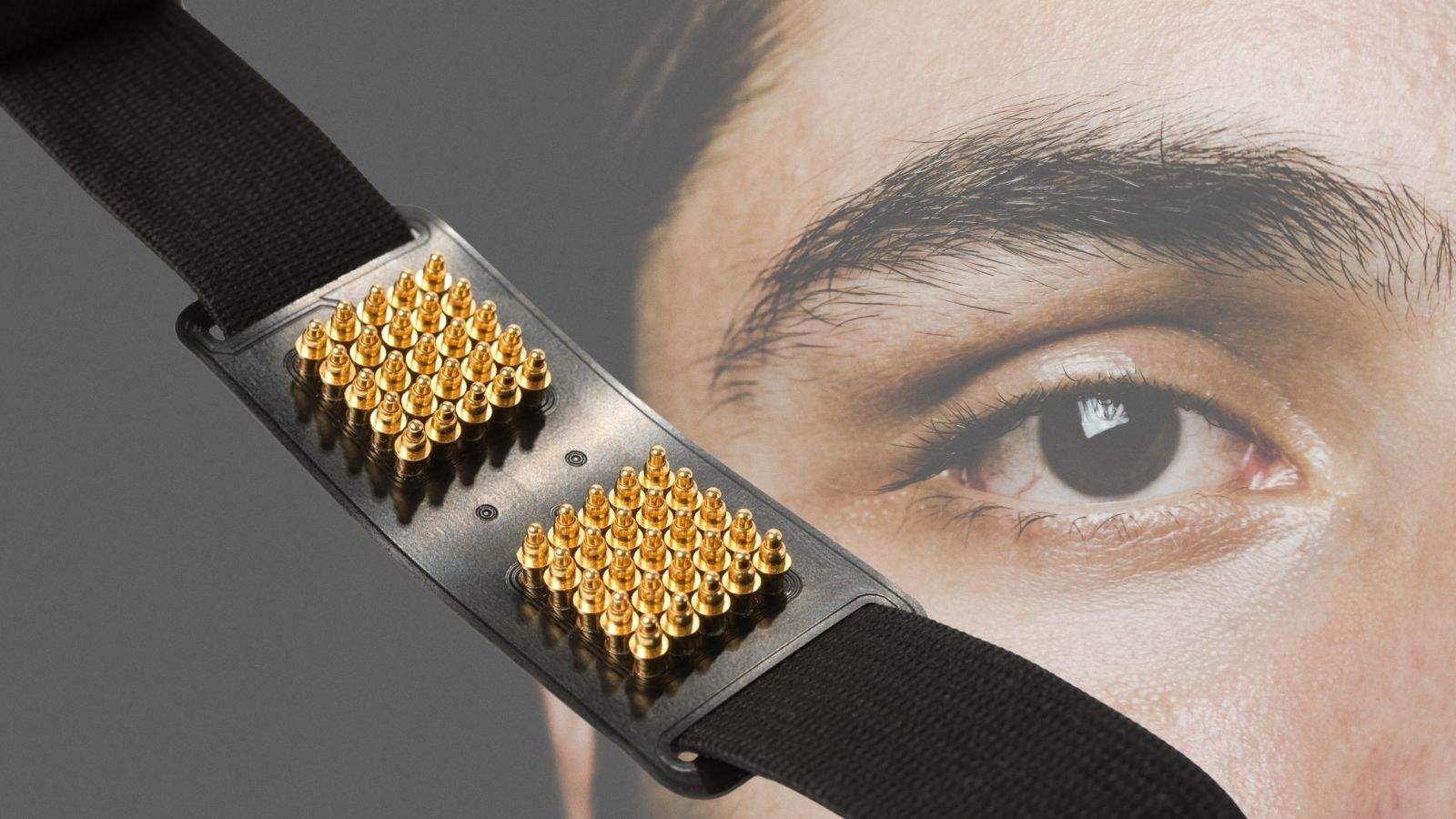
New generations of wearable EEG headsets, like dry-electrode systems and wireless EEG solutions are closing this gap. They allow researchers to move beyond sterile labs and bring neuroscience insights directly into learning environments.
At BrainAccess, for instance, we’re working toward this exact goal: developing full-featured affordable EEG systems that are compact, wireless, and built for real-time interaction. From 4-channels headbands to 32-channels EEG caps, our tools offer scalable setups for both individual learning assessment and complex hyperscanning research.
Looking Ahead
The future of education won’t just be digital, it will be neuroadaptive.
EEG is giving us a window into how people experience learning, not just how they perform. Whether it is boosting engagement, detecting cognitive fatigue, or enhancing group dynamics through hyperscanning, brain-based learning tools are here to stay.
But to make the leap from lab to life, we need solutions that are user-friendly, cost-effective, and seamlessly integrated with AI systems.
The classroom of the future won’t just be smart, it will be brain-aware.
References
Tan, S. J., Wong, J. N., & Teo, W. P. (2023). Is neuroimaging ready for the classroom? A systematic review of hyperscanning studies in learning. NeuroImage, 281, 120367. doi: 10.1016/j.neuroimage.2023.120367
Baradari, D., Kosmyna, N., Petrov, O., Kaplun, R., & Maes, P. (2025). NeuroChat: A Neuroadaptive AI Chatbot for Customizing Learning Experiences. arXiv preprint arXiv:2503.07599.
https://doi.org/10.48550/arXiv.2503.07599
Orovas, C., Sapounidis, T., Volioti, C., & Keramopoulos, E. (2024). EEG in education: A scoping review of hardware, software, and methodological aspects. Sensors (Basel, Switzerland), 25(1), 182. https://doi.org/10.3390/s25010182