
1. “EEG knows exactly what I’m thinking”
EEG doesn’t capture thoughts or inner speech. It measures patterns of electrical activity on the scalp generated by the brain’s neurons firing.
Think of it as listening to the rhythm of a city rather than eavesdropping on individual conversations. You can tell if the city is bustling, sleepy, or under stress, but not whether someone just ordered pizza.
2. “EEG puts me in a vulnerable position, as it can read my emotions”
While EEG can detect patterns linked to states such as high alertness, relaxation, or mental workload, these are indirect markers.
Your brainwaves don’t carry a label saying “happy” or “frustrated”. Interpreting complex emotions requires algorithms, context, and sometimes additional signals like eye tracking or heart rate.
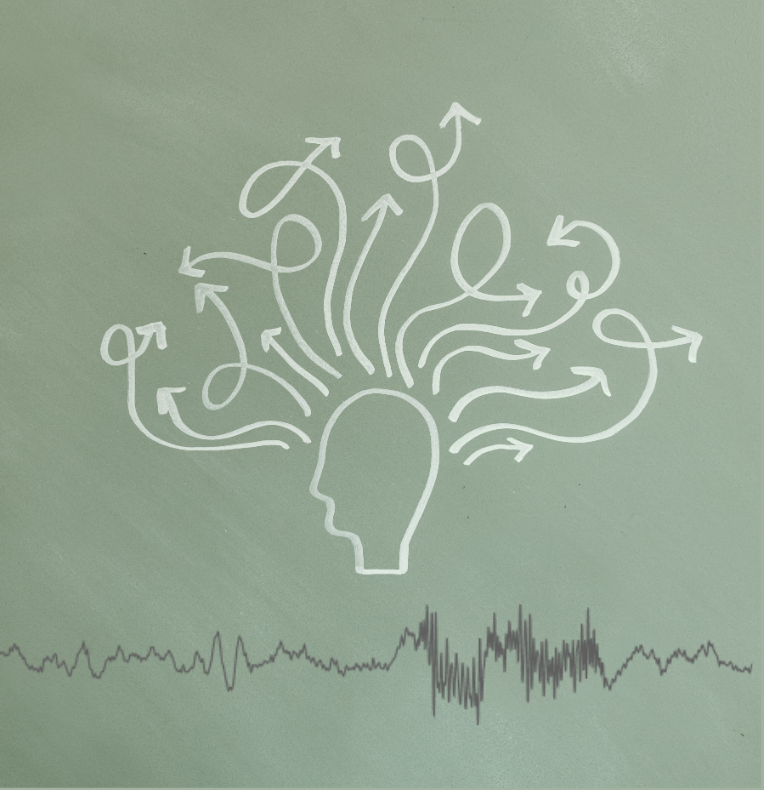
3 . “More electrodes mean mind-reading accuracy”
Adding more channels improves spatial resolution, but it doesn’t magically reveal hidden thoughts.
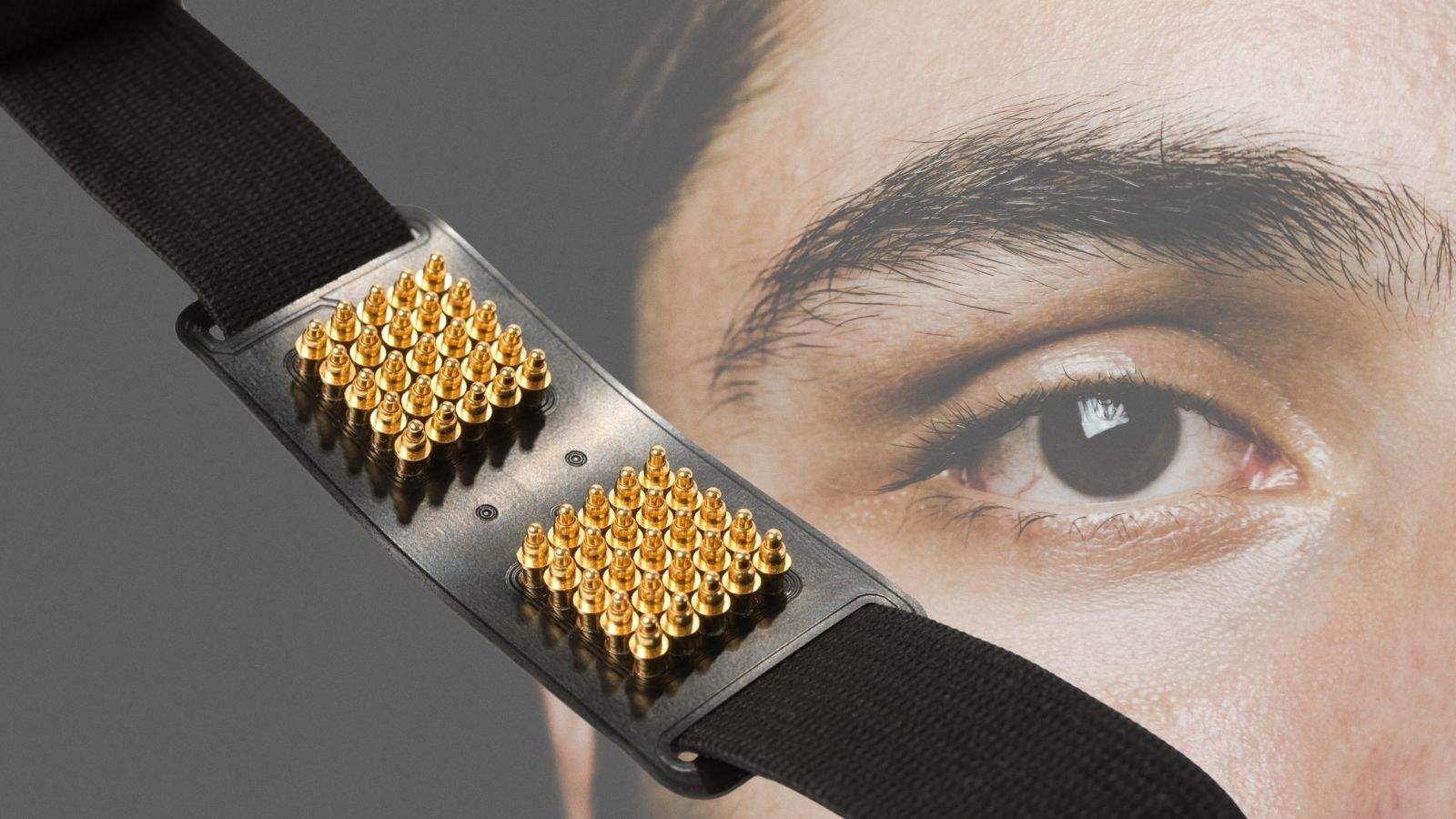
Signal quality, electrode placement, and noise reduction matter far more than sheer channel count, and that’s where modern hardware design makes the difference.
4. “EEG can scan and see deep inside my brain”
EEG mainly reflects activity from the outer layers of the brain, the cerebral cortex, where higher-order processes like sensory perception, attention, movement planning, and decision-making occur.
It can’t directly pick up signals from deeper structures such as the hippocampus (involved in memory formation) or the brainstem (responsible for vital functions like breathing, heart rate, and sleep-wake cycles).
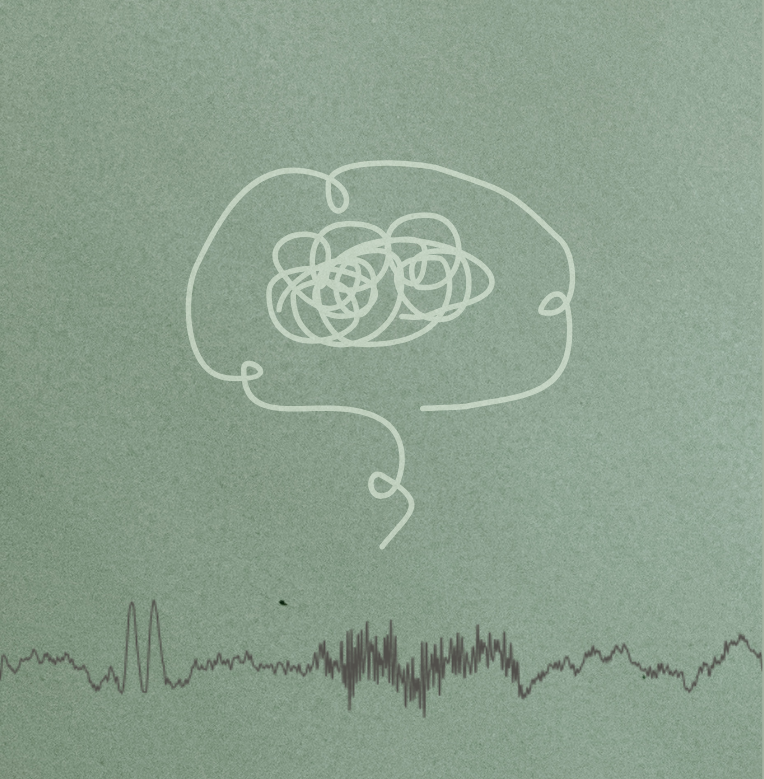
5. “EEG data is just plug-and-play”
Raw EEG signals are noisy by nature. Contamination comes from eye blinks, muscle activity, and even power lines. Meaningful results require filtering, artifact removal, and careful experimental design. Your brain computer interface (BCI) application will likely not work right off the bat. Successful BCI implementations require careful modeling and tuning.
6. “EEG can diagnose mental health conditions by itself”
EEG can help detect patterns associated with certain conditions but diagnosis always requires clinical evaluation and other tests. There is no single “EEG signature” for depression, ADHD, or anxiety.
That said, a healthy brain typically shows certain EEG characteristics that can differ noticeably from those in various clinical conditions. EEG biomarkers (measurable patterns in brain activity) are powerful indicators that can reflect brain health, track disease progression, and even help predict certain behaviors or symptoms when interpreted in the right context.
So What Can EEG Do?
When used correctly, EEG is a powerful, non-invasive window into brain activity.
With modern portable systems like BrainAccess, you can:
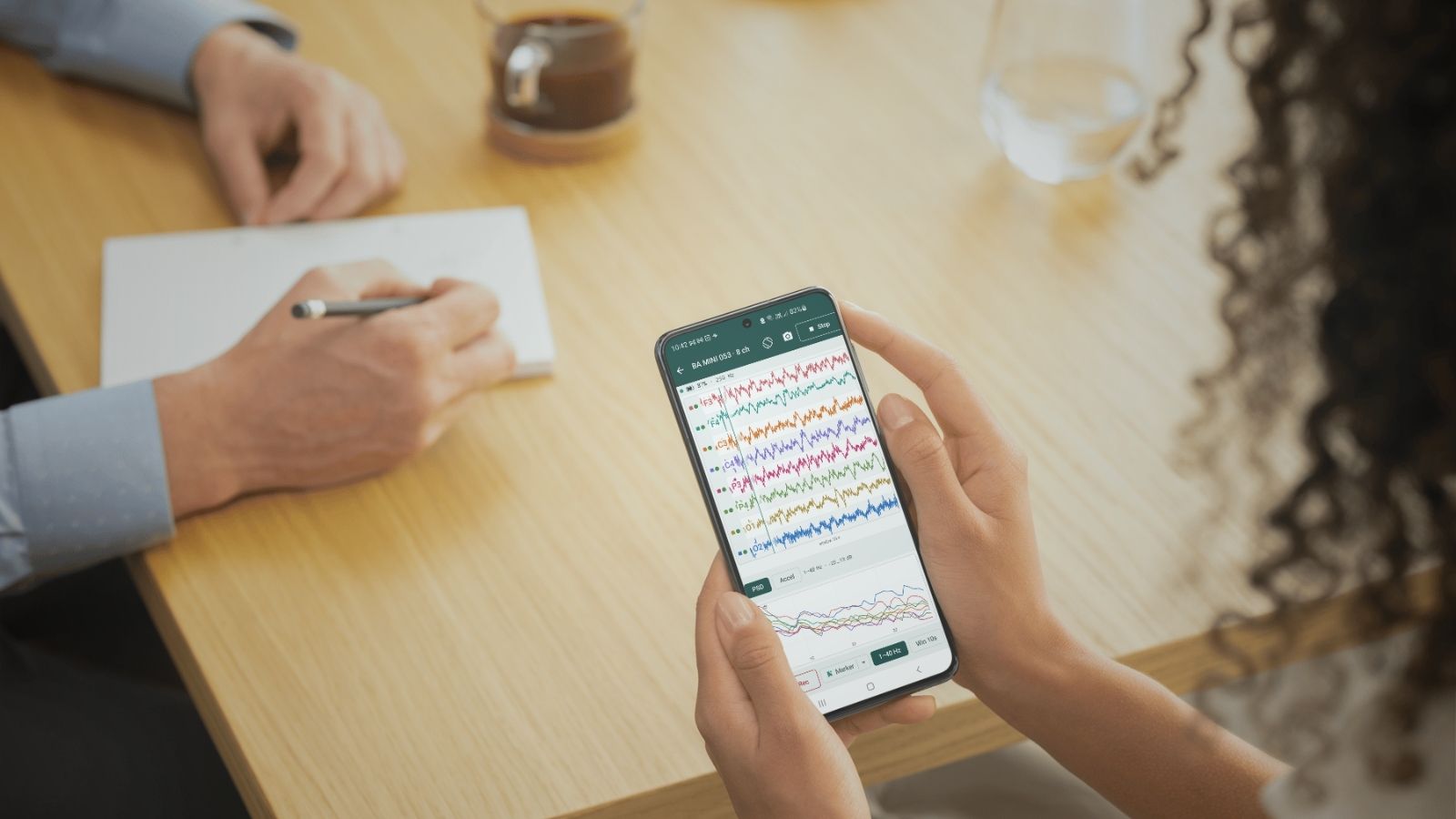
- Measure mental states in real time: Track changes in focus, workload, or relaxation as they happen. This allows you to see how the brain responds to specific stimuli, tasks, or environments and whether a person is deeply engaged, starting to lose focus, or showing signs of mental fatigue.
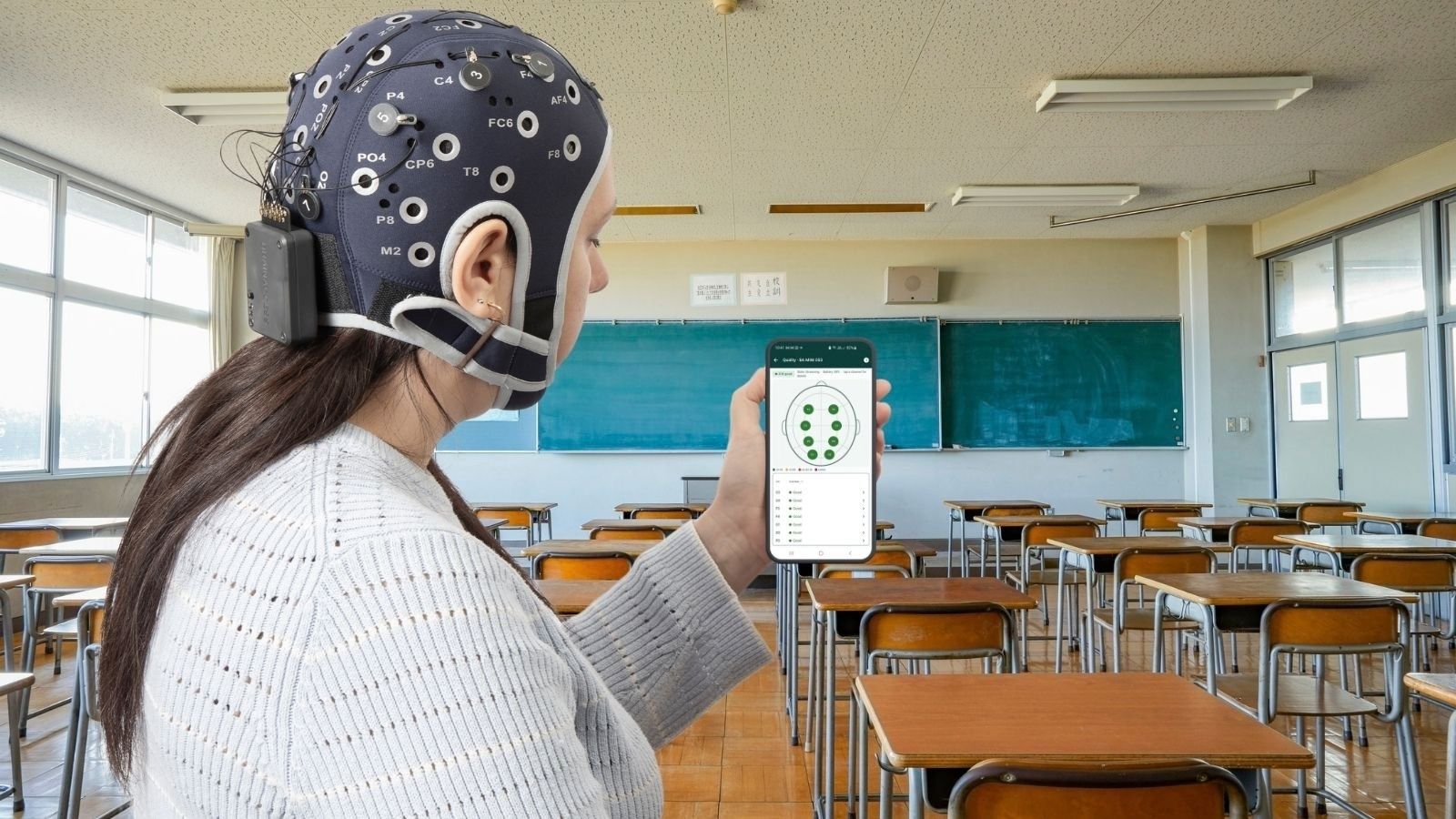
- Do research anywhere: Collect high-quality EEG outside the lab, from classrooms to sports fields, and gather precious insights on cognitive workload, task-oriented attention, distraction, stress, and more. Being able to study the brain in its natural context often reveals patterns that would never appear in controlled laboratory settings.
- Create brain-aware applications: Integrate EEG into VR, games, rehabilitation programs, or neurofeedback training using SDK and API tools. This makes it possible to build adaptive systems that respond to the user’s mental state in real time, personalising the experience for better performance, engagement, or recovery.
The strength of EEG lies in its timing precision, capturing changes in brain activity millisecond by millisecond, and its ability to monitor the brain in motion, during real-world tasks. This means you can see not only what the brain is doing, but also when and how fast it reacts.
At the end of the day, EEG headbands provide actionable insights into how people think, learn, and perform, helping guide research, product design, and human-centered innovation. From understanding cognitive limits to enhancing training programs or optimizing user interfaces, EEG turns invisible brain processes into data you can use.
Conclusion
EEG headbands don’t read your mind; they read your brain’s activity patterns. These patterns are like a real-time log of the brain’s electrical rhythms, offering clues about your level of focus, mental effort, or relaxation.
When combined with smart algorithms, careful interpretation, and good experimental design, EEG becomes a powerful tool for understanding how the brain is responding, learning, or adapting in a given context.
Importantly, EEG doesn’t decode private thoughts. It provides a window into brain dynamics that can be harnessed to improve performance, well-being, and innovation. With the right tools, that window becomes not just a view into the brain, but a way to shape environments, training, and technology to work with.
And you? Did you believe any of these myths before reading this?
What do you want to discover or create with BrainAccess, measuring brain activity anywhere, in real time?