
Brain-computer interfaces (BCIs) are entering a new era. The combination of electroencephalography (EEG) and machine learning is reshaping how we measure, understand, and interact with the human brain.
For many years, EEG systems were mainly tools for research labs and clinical environments. Today, artificial intelligence is turning EEG into a dynamic, real-time technology that can power adaptive applications across industries.
Real-Time Brain State Detection
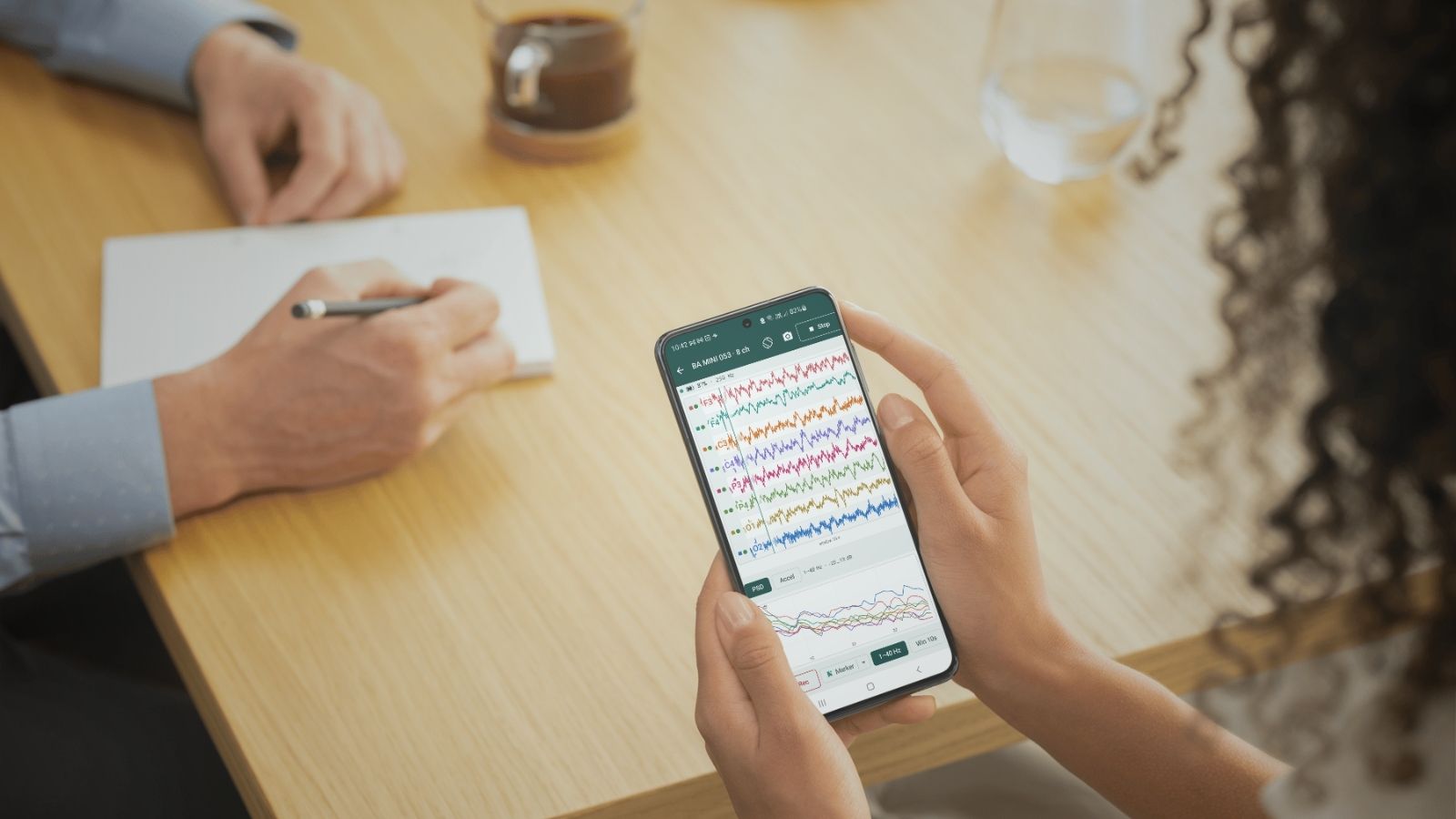
One of the most exciting developments is the ability of AI to decode brain states in real time. Modern machine learning models can detect patterns in EEG signals that relate to engagement, mental workload, attention, drowsiness, and even stress levels.
This means interfaces are no longer static. Instead of forcing users to adapt to technology, technology can adapt to the user. A system can slow down when it detects overload, increase stimulation when engagement drops, or trigger alerts when signs of fatigue appear.
This shift opens the door to smarter learning platforms, safer driving systems, and more responsive human-computer interactions.
Smarter Signal Cleaning with Deep Learning
EEG signals are notoriously noisy. Eye blinks, muscle activity, motion artifacts, and environmental interference can all distort the data. Traditionally, cleaning EEG required expertise and manual processing.
With deep learning approaches such as autoencoders, diffusion models, and large-scale foundation models, artifact removal could be automated. These models learn to separate true neural activity from noise, making wearable and low-cost EEG systems more reliable and closer in performance to lab-grade setups.
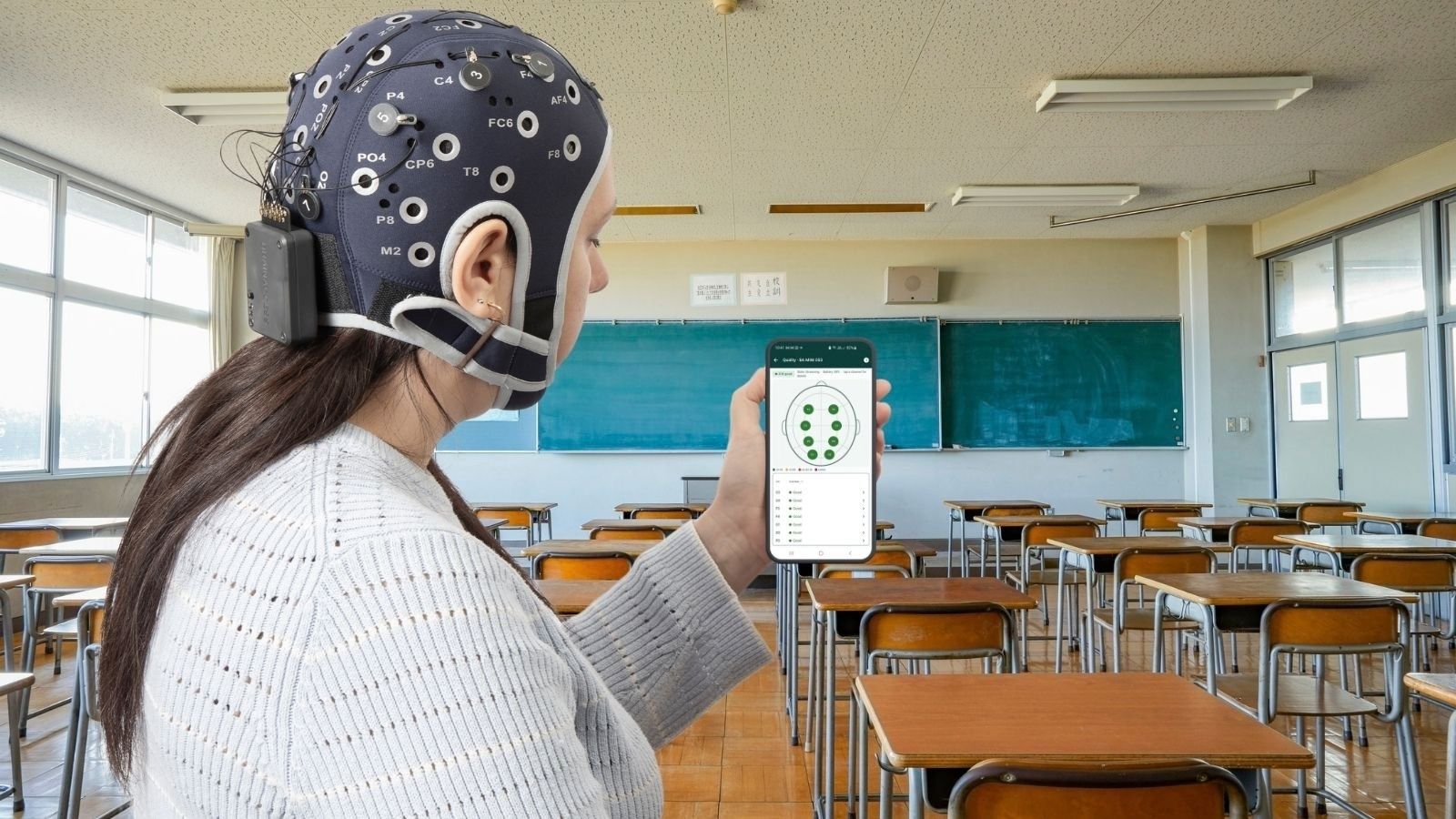
AI can also assist users directly by monitoring signal quality in real time and suggesting adjustments.
This reduces the barrier to entry and makes EEG more accessible, even for non-experts.
Personalized Cognitive Training
Machine learning does not only analyze the brain; it can learn from it. By modeling individual brain patterns, AI systems can deliver personalized neurofeedback and cognitive training.
Instead of generic programs, users receive feedback tailored to their unique neural signatures. Applications range from wellness and meditation support to focus enhancement and emotional regulation.
Over time, the system becomes more aligned with the user, improving training efficiency and long-term outcomes.
Faster and More Intuitive BCI Control
AI is also improving how people control devices using their brain signals. As models learn user-specific patterns, BCIs become faster, more accurate, and more intuitive.
This has implications for assistive communication, robotics control, gaming, and smart home systems.
For individuals with motor impairments, these advances can significantly enhance independence and quality of life.
For the broader market, they pave the way for new forms of interaction that go beyond keyboards and touchscreens.
Foundation Models for EEG
Looking ahead, large cognition models and EEG foundation models may transform the field even further.
These models aim to create universal EEG embeddings that generalize across users and tasks.
In practice, this could enable zero-shot decoding, where systems interpret mental states without extensive per-user calibration. Cross-user generalization, robust mental-state inference, and plug-and-play BCI applications could become realistic goals.
This would dramatically reduce setup time and make large-scale deployment feasible.
Are You Ready for the Future?
EEG combined with AI is no longer a futuristic concept. It is a rapidly evolving reality that is pushing BCIs toward greater accessibility, personalization, and real-world impact.
As machine learning continues to advance, the boundary between brain and technology will become increasingly seamless. The future of EEG and AI is not just about better signals.
It is about building systems that truly understand and adapt to the human mind.