BrainAccess at IOP 2025 in Krakow - BrainAccess

BrainAccess at IOP 2025 in Krakow

Martina Berto Avatar

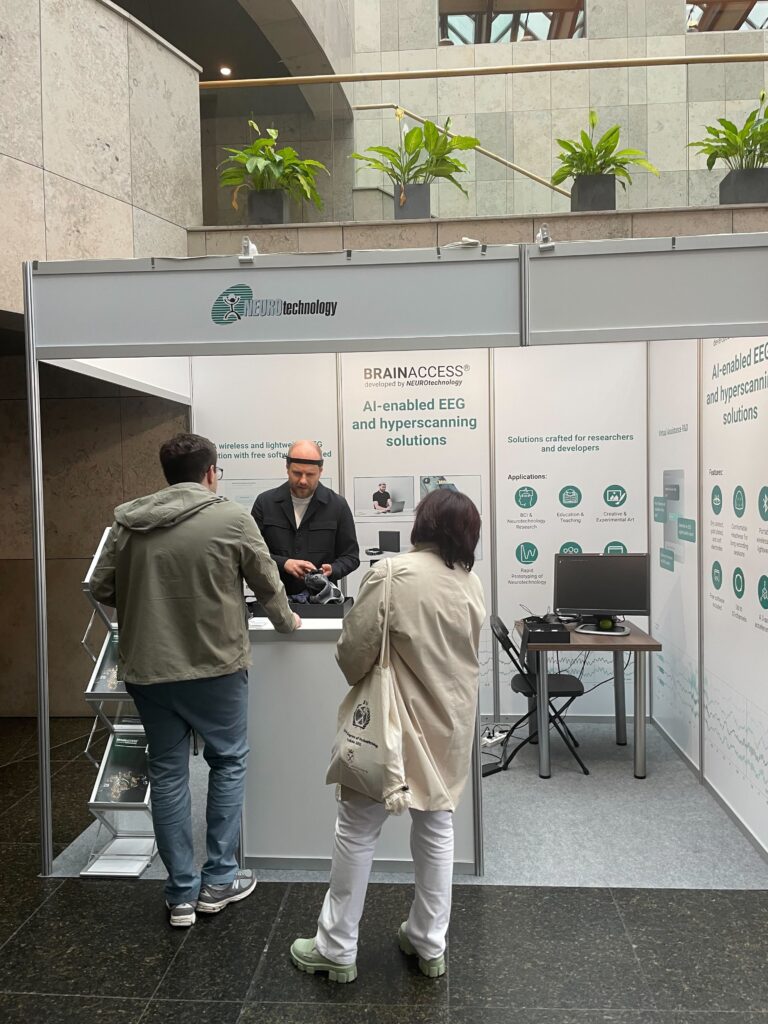
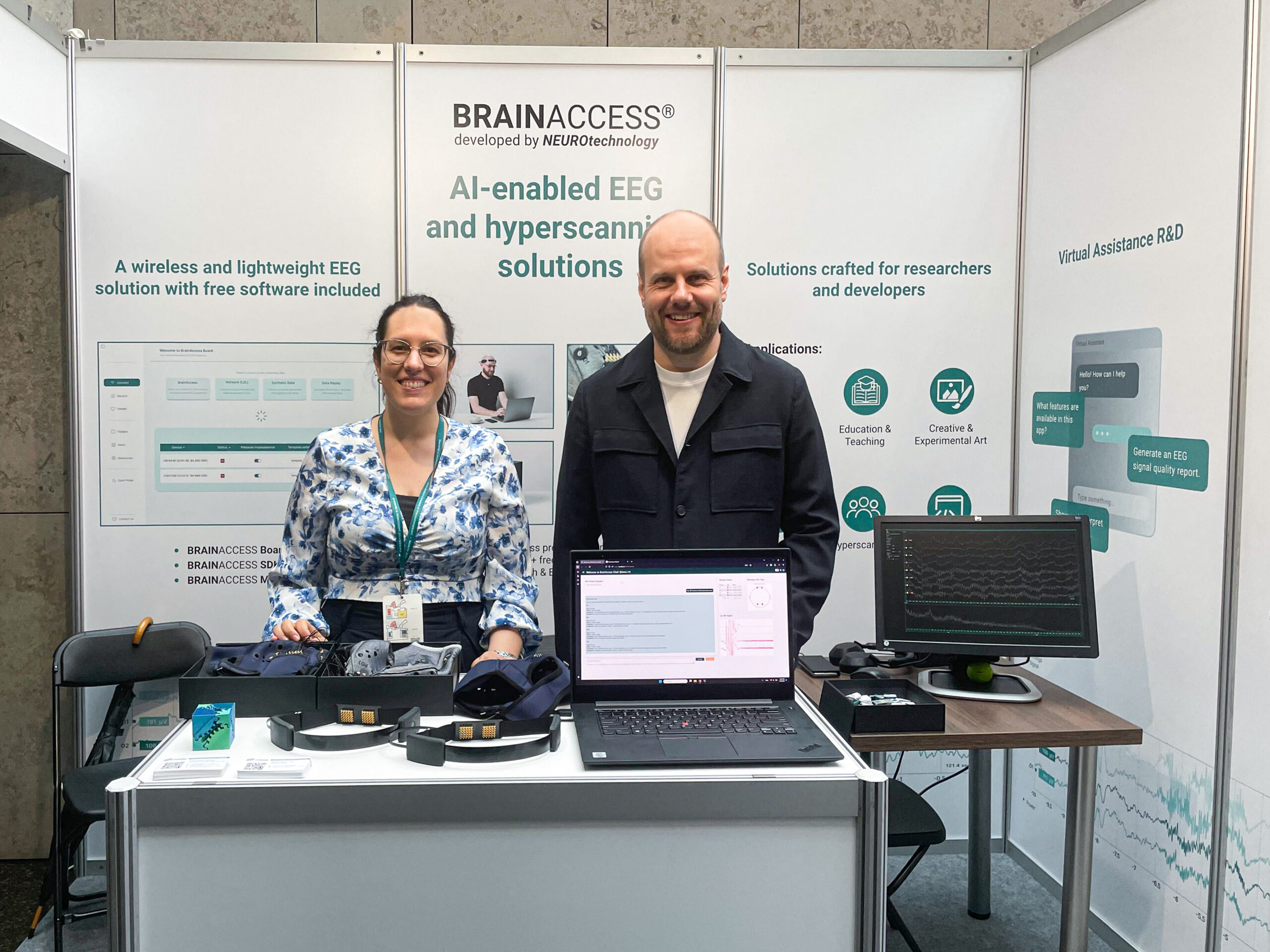
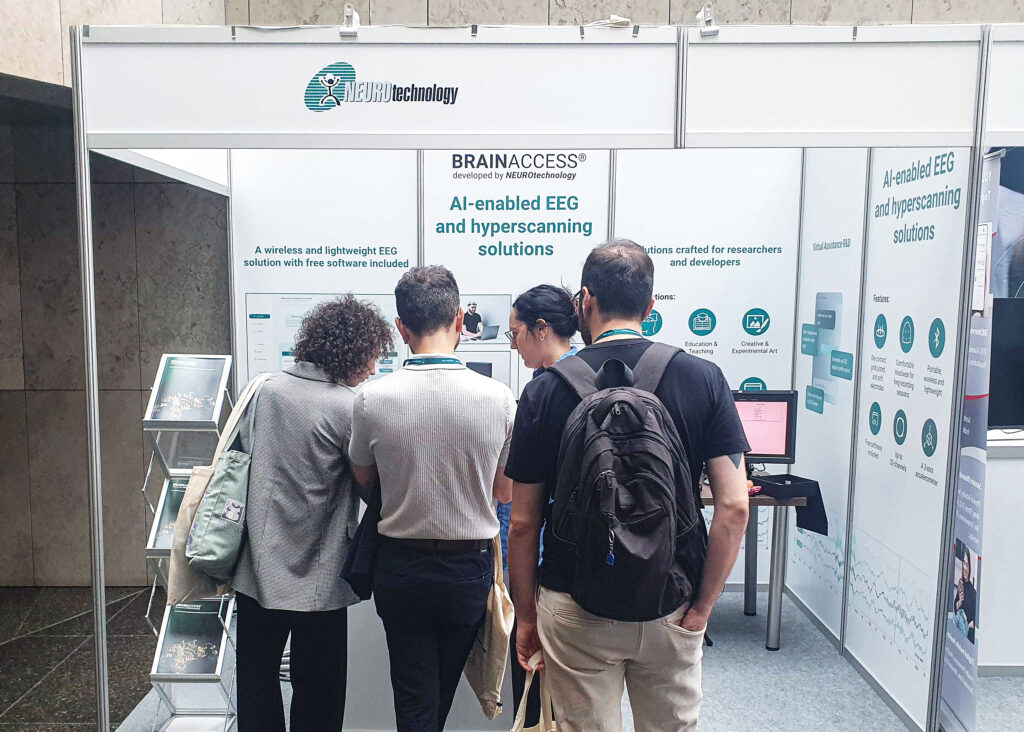
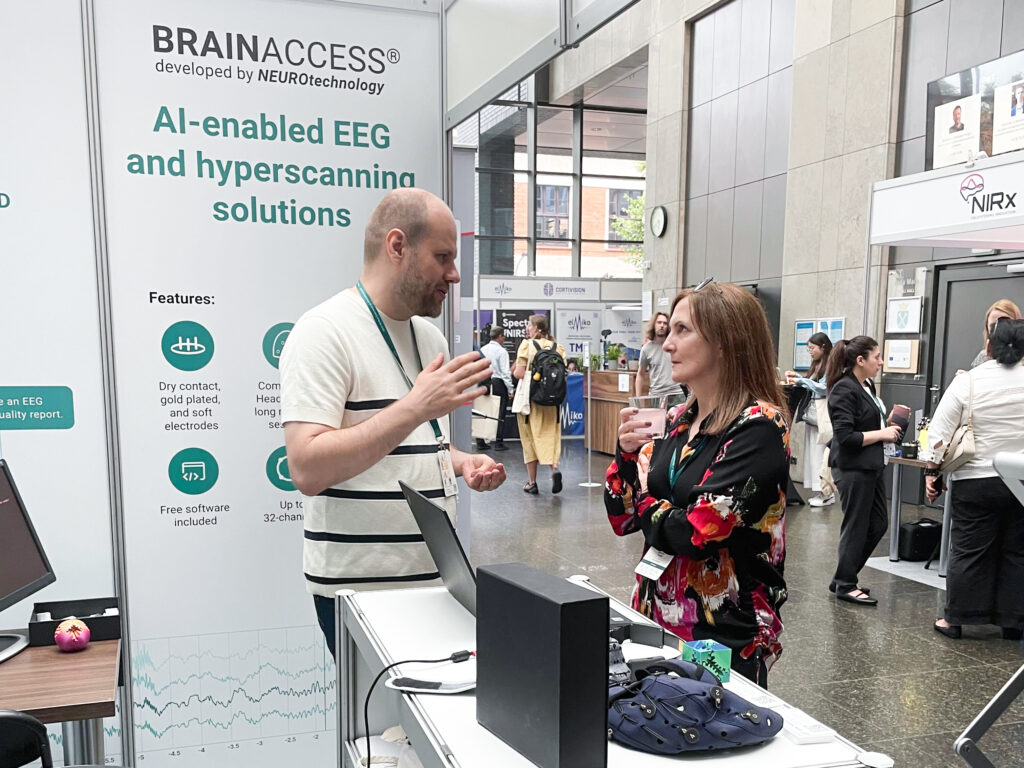
From July 8-11, the BrainAccess team attended the 22nd World Congress of Psychophysiology (IOP 2025) in Krakow, Poland. It was an exciting opportunity to connect with researchers, innovators, and professionals from around the world.

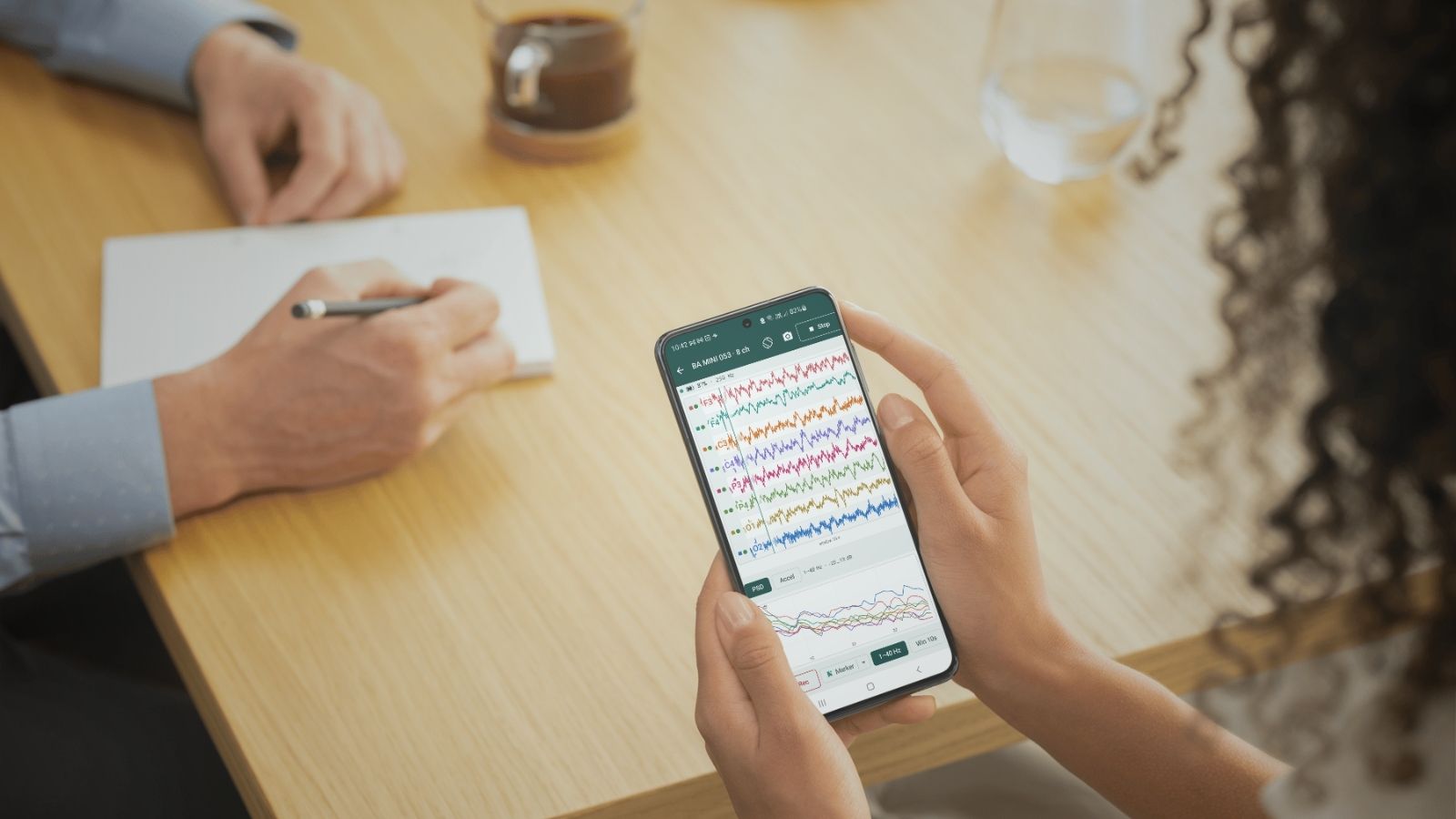
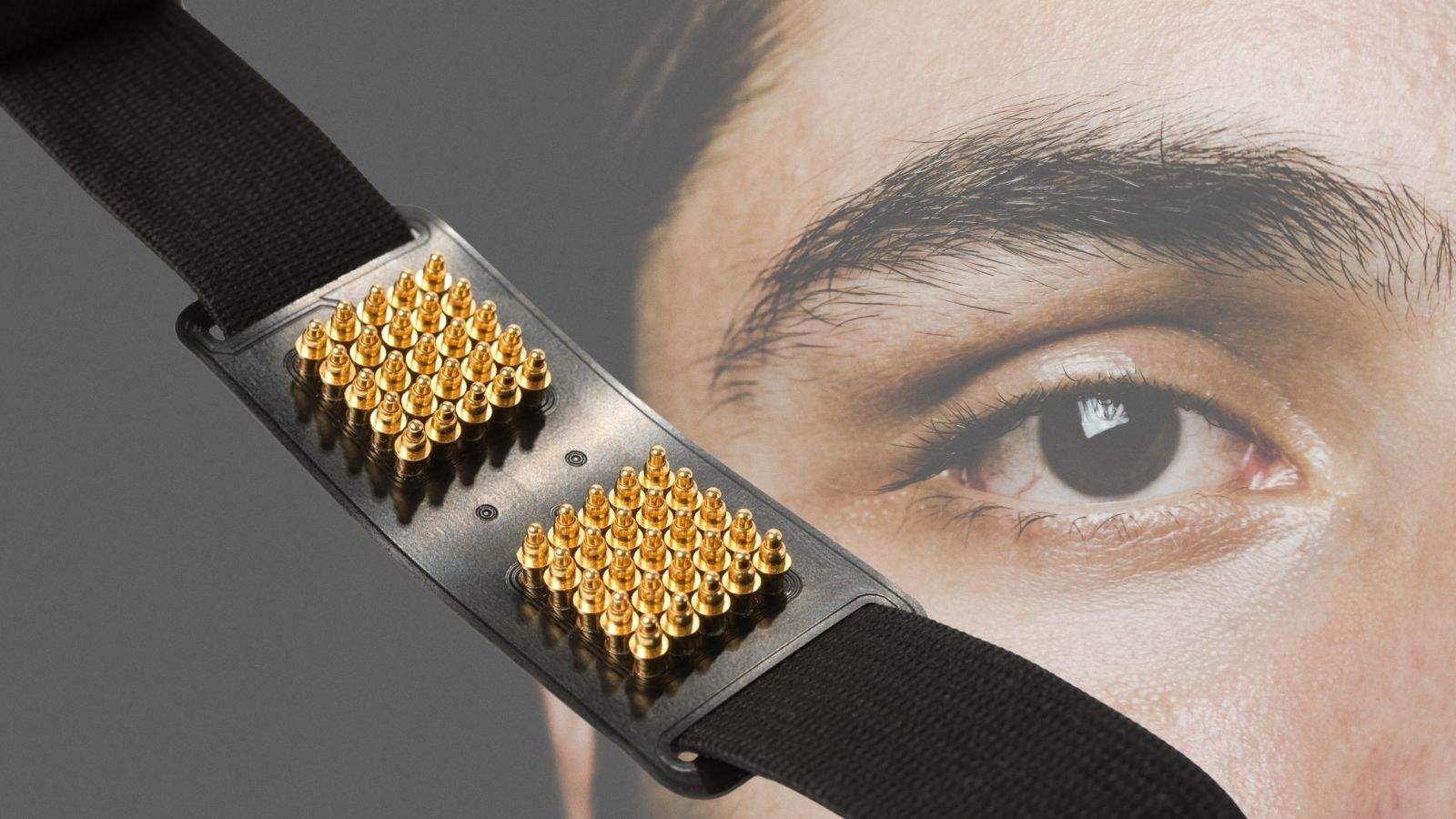
At our booth, we showcased the full range of BrainAccess EEG products and presented a live demo of our new EEG-AI system, an interactive assistant powered by real-time brain data. Visitors experienced firsthand how our technology is making EEG more accessible, intelligent, and adaptable to both research and practical applications.

A huge thank you to everyone who stopped by! We’re energized by the conversations and collaborations sparked during the event!
Stay tuned for more events! We’re just getting started!
MORE Posts
  • A Guide to EEG Electrode Placement: The 10–20 System Explained

    A Guide to EEG Electrode Placement: The 10–20 System Explained

    If you are thinking about conducting EEG research, you may have come across the term International 10–20 System, often used when referring to electrode positions on an EEG cap. But what does it actually mean? In this article we provide a short overview and discuss why it still so important in EEG research today. Electroencephalography…

  • From Literature to Live Data: LLMs as Full-Cycle Research Companions

    From Literature to Live Data: LLMs as Full-Cycle Research Companions

    For decades, the challenge in neuroscience has not only been collecting brain data, it has been making sense of it. EEG signals are noisy, high-dimensional, and shaped by dozens of interacting variables. Interpreting them well has traditionally required years of specialist training. But a growing body of evidence suggests that large language models (LLMs) may…

  • When Sound Becomes Medicine: BrainAccess HALO in Music Therapy Research

    When Sound Becomes Medicine: BrainAccess HALO in Music Therapy Research

    Can lying on a vibrating table listening to carefully crafted audio actually change your brain? A team of Portuguese engineers built a system to find out and the results are surprisingly measurable. Sound therapy is one of those ideas that sits awkwardly between ancient wisdom and modern science. Cultures across history have used chanting, singing…

  • Multimodal Integration: How Your Experiment Can Benefit from Multiple Modalities

    Multimodal Integration: How Your Experiment Can Benefit from Multiple Modalities

    In this article, we explore multimodal integration, the practice of combining signals from different sensors in the same experiment to build a richer, more reliable picture of brain activity, cognitive states, and physiology. At BrainAccess, this is a direction we are actively building toward, with two major developments in the pipeline: a new HALO headband…