
The BrainAccess MIDI has been used to collect an open-access dataset which offers fresh insight into how attention, response inhibition, and distraction shape brain activity in young adults.
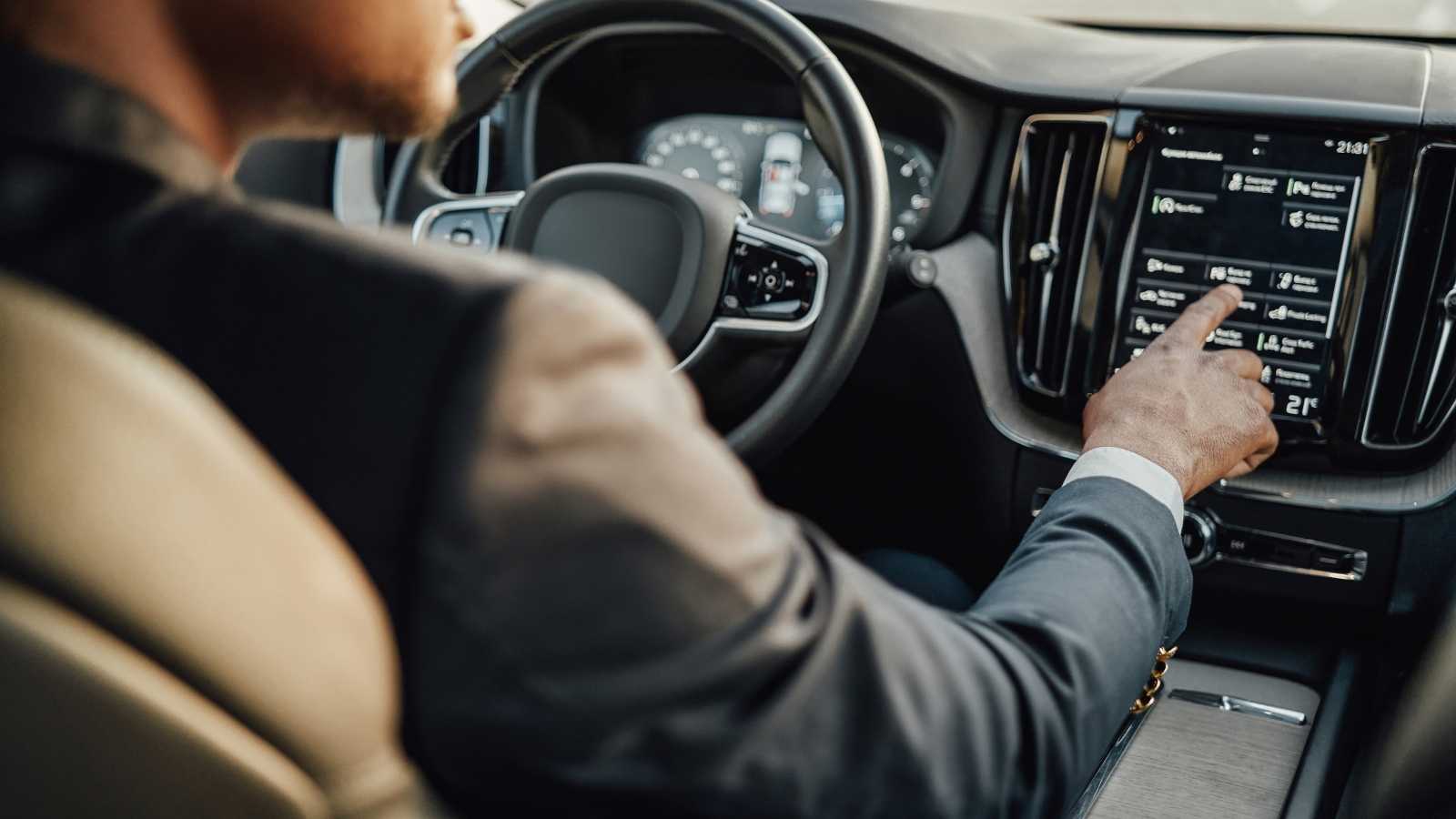
The dataset focuses on a relevant question: how driving experience has an impact on attention and cognitive control in young adults. To answer this question, the performance of young drivers was compared to the one of non-drivers while performing Go/No-Go tasks under visual and auditory distraction. Rather than relying on abstract stimuli, the experiments used realistic scenarios such as text message notifications and phone call simulations, creating conditions that closely resemble everyday sources of distraction.
EEG was recorded from 40 university students, evenly split between licensed drivers and non-drivers, using the 16-channel BrainAccess MIDI kit at 250 Hz. Participants completed eight experimental blocks combining visual and auditory tasks, with and without distractions. Some blocks required active responses, while others served as transitional phases, providing additional EEG data that can be used for baseline or exploratory analyses.
Beyond the raw EEG recordings, the dataset includes precisely timed event markers and detailed participant metadata, including driving experience, mobile phone usage, and self-reported emotional state prior to the experiment. This makes it possible to study not only neural responses to distraction, but also how individual factors modulate attentional control and inhibitory processing.
As part of the technical validation, authors report clear and well-established neural signatures associated with Go/No-Go paradigms, including N2 and P3 components linked to response inhibition. Notably, drivers showed more efficient neural responses under distraction, while non-drivers exhibited delayed and more diffuse activation, especially during auditory interference, patterns that align with existing literature on driving experience and cognitive control.
By combining realistic distractions, a standardized cognitive task, and portable EEG hardware, this dataset fills an important gap in open-access neurophysiological resources. It enables research in cognitive neuroscience, brain-computer interfaces, and transportation safety, while supporting reproducibility and flexible analysis pipelines.
The dataset in open-access to encourage further analysis and exploration.
Open, reproducible, and ready to use
By releasing this dataset openly and documenting both the experimental design and acquisition pipeline in detail, the authors provide a strong foundation for reproducible EEG research using portable hardware.
For us, it’s another example of what we value most:
BrainAccess devices being used in real research, addressing real-world questions, and shared openly with the community.
The complete dataset is publicly available on Zenodo under a CC-BY 4.0 license.
Links to the dataset
- Dataset can be downloaded here: https://zenodo.org/records/17135621
- Data descriptor: https://www.mdpi.com/2306-5729/10/11/175https://lnkd.in/deREdcvN
Reference
García-Ramírez, Y., Gordillo, L., & Pereira, B. (2025). Electroencephalography Dataset of Young Drivers and Non-Drivers Under Visual and Auditory Distraction Using a Go/No-Go Paradigm. Data, 10(11), 175. https://doi.org/10.3390/data10110175

Martina Berto, PhD
Research Engineer & Neuroscientist @ Neurotechnology.
Martina Berto, PhD
Research Engineer & Neuroscientist @ Neurotechnology.