
As football takes center stage with the World Cup 2026 underway, an interesting question emerges: how should the next generation of players train? A recent preprint from Turkish researchers found that young professional footballers who trained with VR outperformed those using traditional methods in balance, speed, and strength, with measurable neurological changes tracked via the BrainAccess MAXI EEG system. The edge VR offers is not just physical but neurological, suggesting next-generation training should challenge the brain and the body at once.
The FIFA World Cup 2026 is underway: 48 nations battling it out across the USA, Mexico, and Canada, with millions of eyes glued to every sprint, tackle, and split-second decision on the pitch.
Football performance has never been under a brighter spotlight. So the timing couldn’t be better for a fascinating new study asking: how should we train the next generation of players? What if the future of elite football happens inside a virtual reality (VR) headset?
A preprint published in May 2026 by researchers in Turkey [1] set out to answer exactly that, using EEG to measure not only the body’s performance, but also the brain’s response to different training styles.

And the results are striking! ⚽
THE STUDY
Training protocol
Thirty-nine young professional male footballers (aged 18–19) were split into three groups:
- Trained with VR
- Trained with traditional methods
- Control group
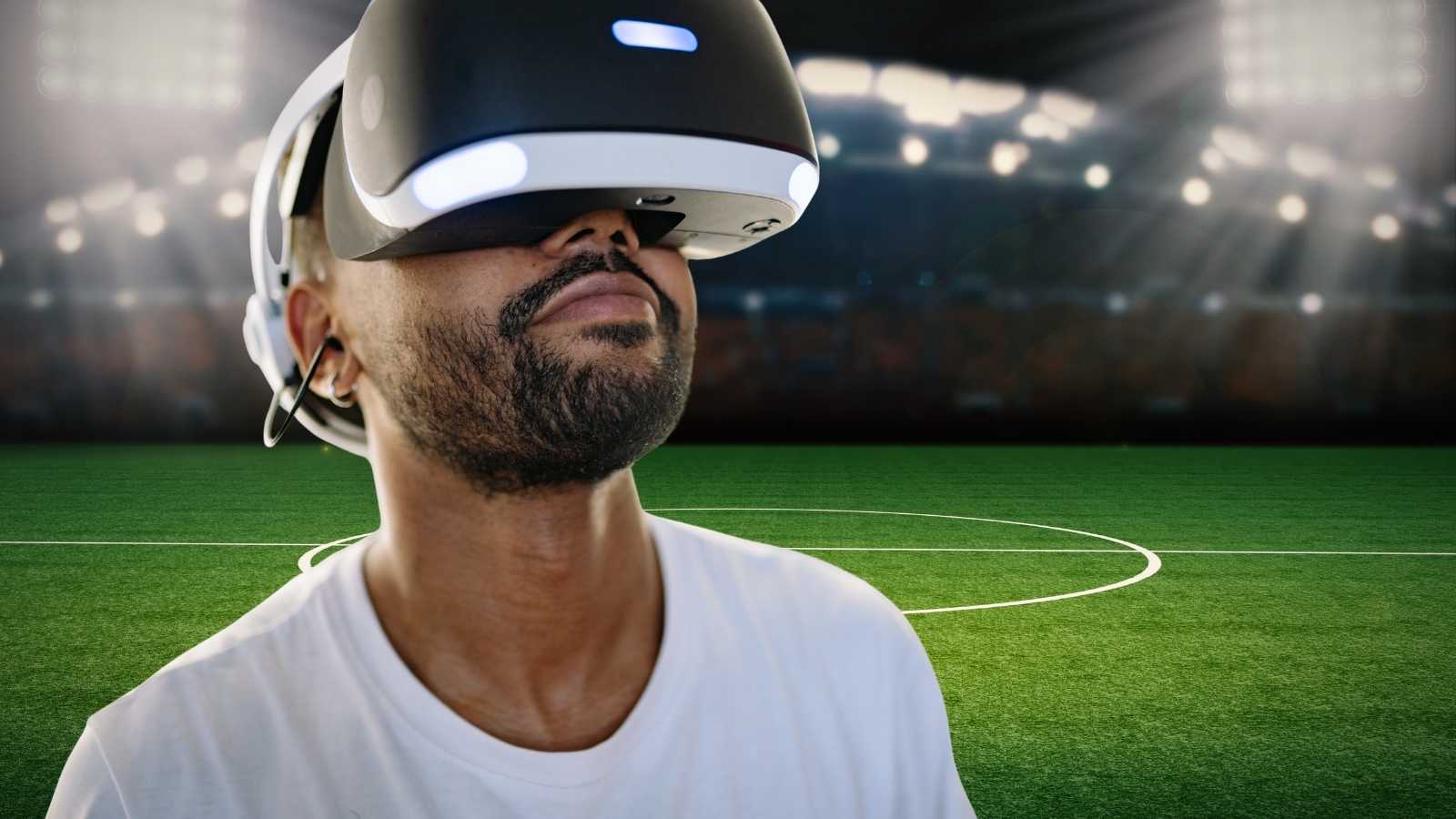
For eight weeks, the VR group strapped on a Meta Quest 3S headset after their regular sessions and ran through 20–25 minutes of football-relevant exercises (e.g., balance drills, strength work, coordination) all delivered through apps like Rezzil Player and Final Soccer.
The traditional method consisted on similar exercises without VR and under a coach’s supervision, while the control group performed no additional post-training activity.
Measuring Brain Activity in the field
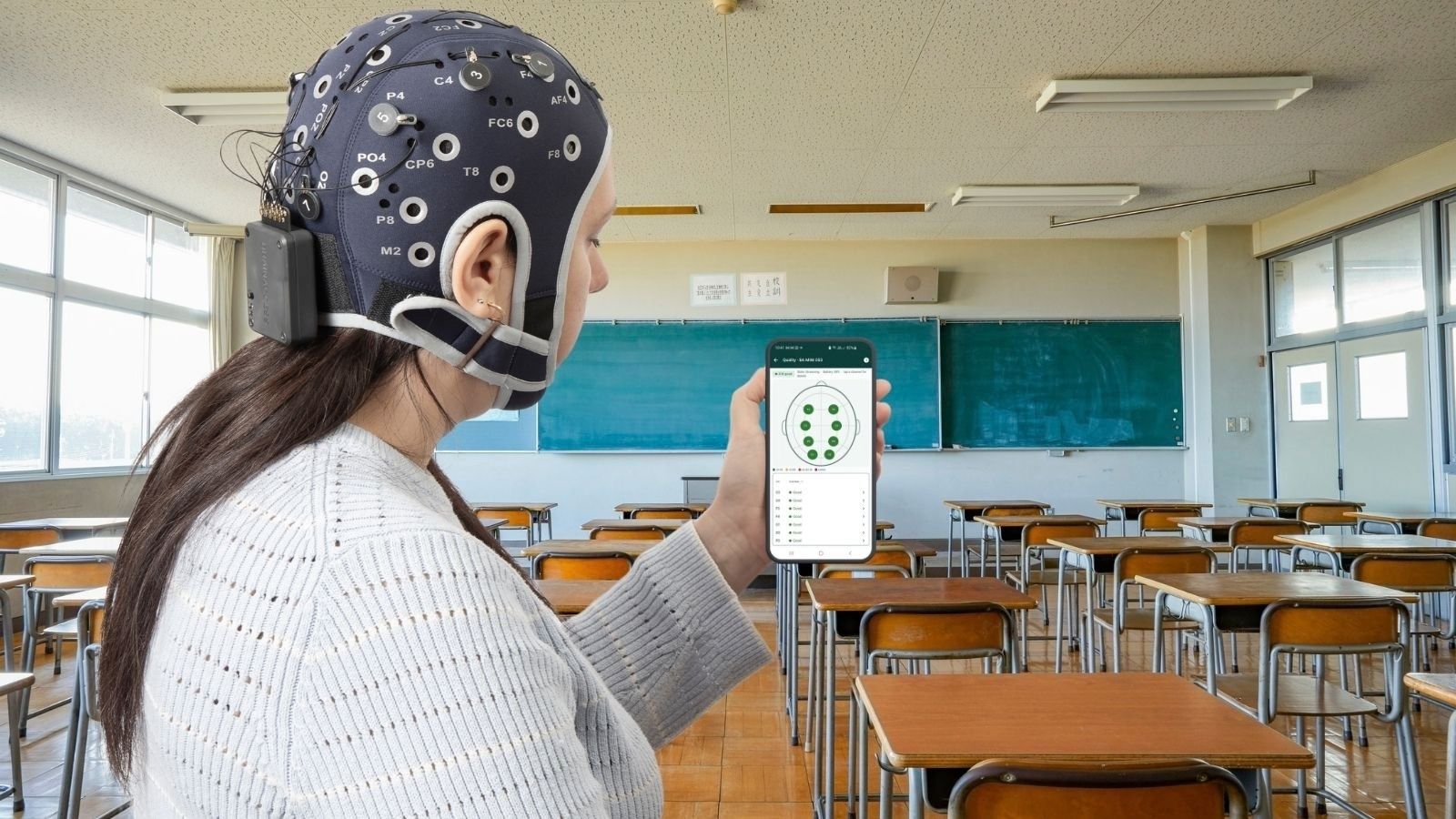
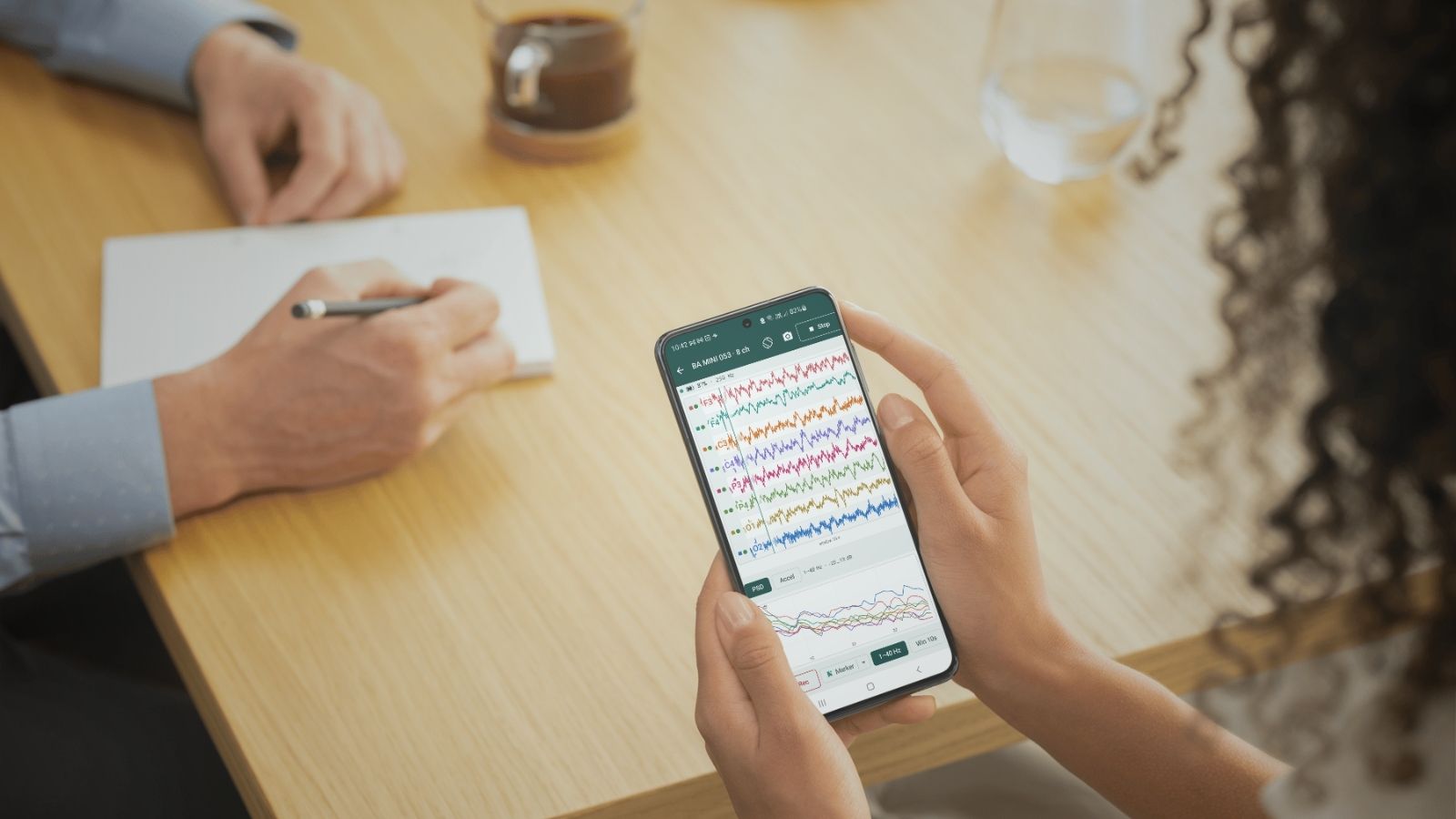
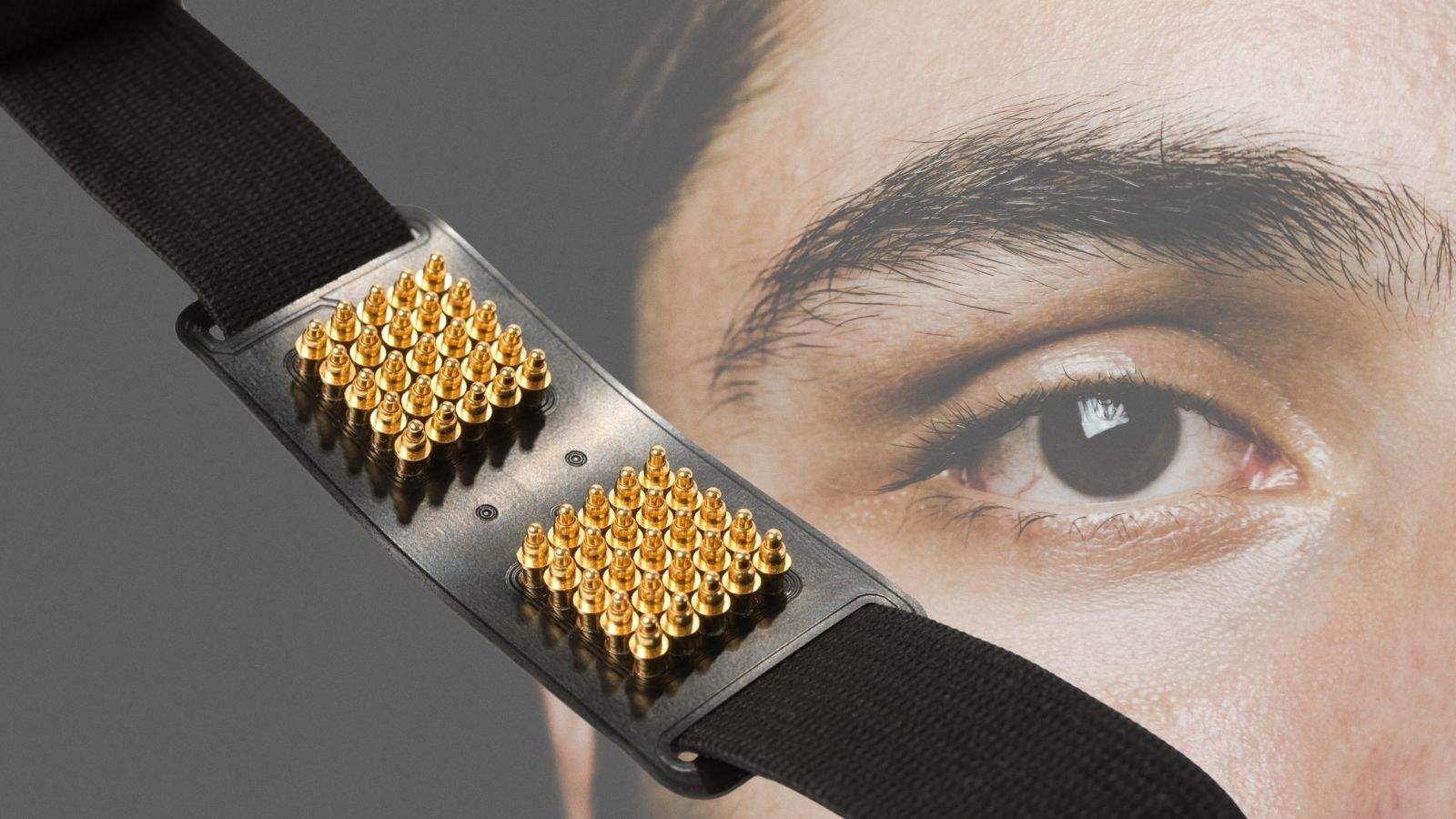
To measure what was happening not just in their bodies but in their brains, the researchers used BrainAccess MAXI kit, our 32-channel wireless EEG headset. MAXI is designed to capture full-scalp brainwave activity using dry-contact electrodes, making it well-suited for sports research settings where gel-based systems would be impractical.
4-minutes of data were recorded twice, pre and post training, for statistical comparison.
General Results
The VR group outperformed the others across the board:
1️⃣
Balance
Improved significantly in the VR group on both legs — gains that were statistically and practically meaningful (effect sizes η²=0.284–0.295). Neither the traditional nor the control group showed comparable improvements.
2️⃣
Speed
Improved in both the VR and traditional groups, but VR delivered greater gains between groups (η²=0.276).
3️⃣
Strength
Measured as dominant-leg knee extension, strength showed the most dramatic difference, with the VR group improving by an average of 15.4 kg versus just 5.3 kg in the traditional group and an actual decline in the control group (η²=0.487).
EEG Results
What makes this study particularly interesting is the EEG data. The BrainAccess MAXI recorded meaningful neurophysiological changes in the VR group that simply weren’t seen to the same degree elsewhere:
1️⃣
Theta power
In frontal regions, theta increased more in the VR group, pointing to greater engagement of cognitive control processes — the brain working harder to process and adapt to constantly changing virtual stimuli.
2️⃣
Alpha power
Alpha rose more sharply too, suggesting more efficient neural processing — the brain learning to suppress irrelevant activity and focus resources where they’re needed.
3️⃣
Beta power
Beta also increased after the VR training, suggesting enhanced motor planning — the brain learning to respond, coordinate, and plan action.
4️⃣
Theta and Alpha coherence
Theta-alpha coherence between frontal and central brain regions improved more in the VR group — with possible impacts on decision-making and movement execution.
WHY IT’S INTERESTING
The Brain Behind the Gains
What is particular interesting in this study, is that the effects observed in balance, strength, and speed were only a part of the picture. The EEG showed changed neurophysiological components after training with VR in brainwaves traditionally associated with cognitive processes affecting reactivity, decision-making, motor coordination and more. In plain terms, the VR training didn’t just make players physically fitter. It appeared to rewire how their brains coordinate thought and action.
VR training is emerging as one of the more promising tools for developing athletes holistically with its edge extending beyond the physical into brain physiology itself. This study adds to a growing body of evidence that next-generation training should prioritise environments that simultaneously challenge decision-making, attention, and movement, rather than physical conditioning alone.
As the world watches footballers make impossible decisions in fractions of a second at the World Cup, research like this reminds us that what separates elite athletes isn’t just physical: it’s neurological.
Beyond the VR findings, the research underscores the growing value of portable EEG as a scientific tool, demonstrating how devices like the BrainAccess MAXI can bring rigorous neurophysiological measurement out of the laboratory and into applied settings like sport. From BrainAccess perspective, we are excited to see our devices been used in this kind of cutting-edge research, and we can’t wait to see more!
SHOP BRAINACCESS MAXI
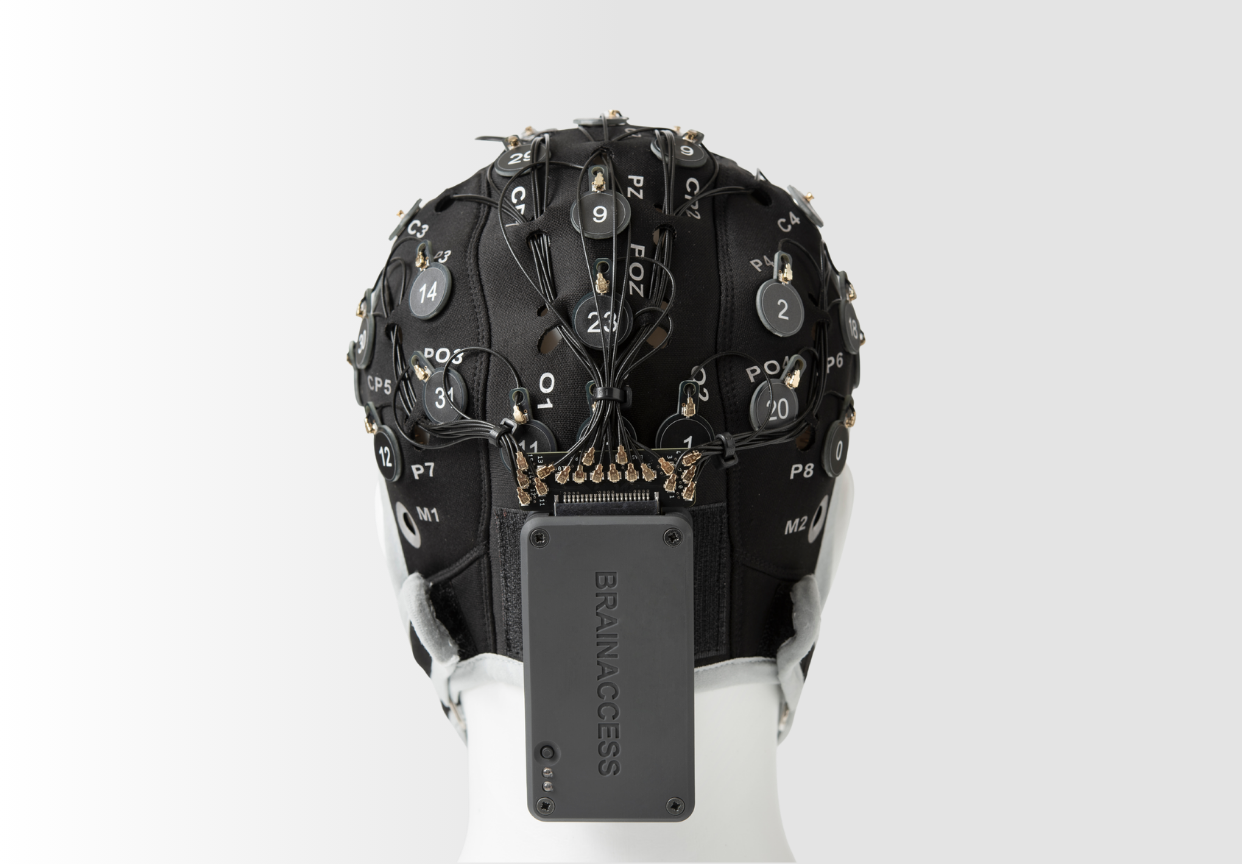
BrainAccess MAXI Kit
32-channel EEG system
Cap and Electrodes included
3,000 € Excl. VAT
Note: This study is a preprint and has not yet undergone peer review, so its findings should be interpreted with appropriate caution. The sample was small and the training period was just eight weeks. The authors themselves note that EEG was recorded at rest rather than during live performance, which limits how directly the brain data maps onto real match conditions. Still, as a proof-of-concept in a well-designed controlled trial, it adds meaningful weight to a growing body of evidence that VR is more than a gimmick in elite sport.
Reference
[1] Arslan Kalkavan, Esranur Terzi, Halil İbrahim Çakır et al. Athletic performance in virtual reality: The use of virtual reality for training in professional football players, 22 May 2026, PREPRINT (Version 1) available at Research Square [https://doi.org/10.21203/rs.3.rs-9426616/v1]