AI & Neuroadaptive Systems BrainAccess Releases News & Events Products & Technology Science & Research Use Cases
-

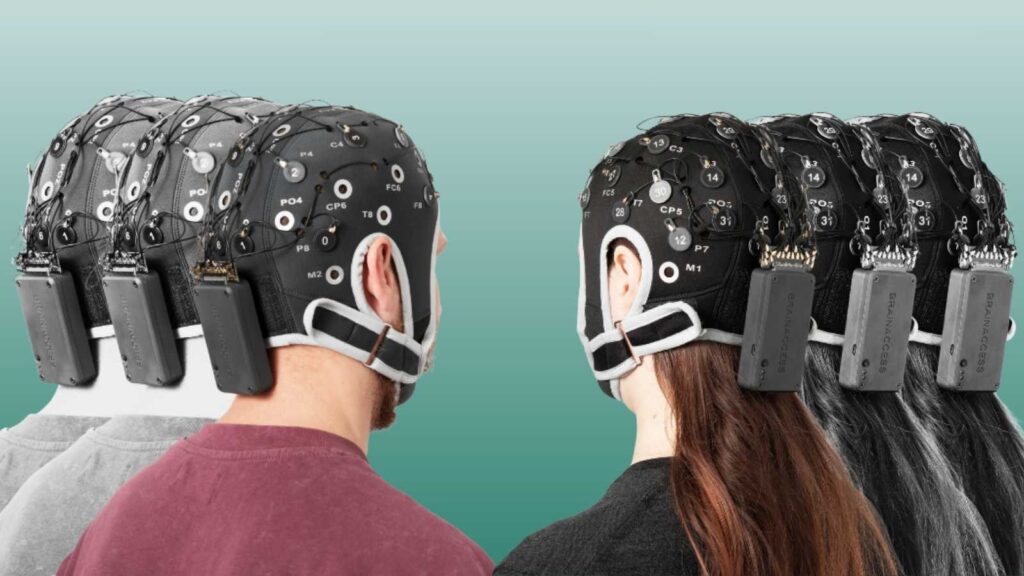
Understanding Hyperscanning and Why BrainAccess Is Built for It
Hyperscanning means recording EEG from two or more people at once while they interact, instead of studying…
-
Can a VR Headset Make You a Better Footballer? A Study with BrainAccess MAXI Says Yes
As football takes center stage with the World Cup 2026 underway, an interesting question emerges: how should…
-
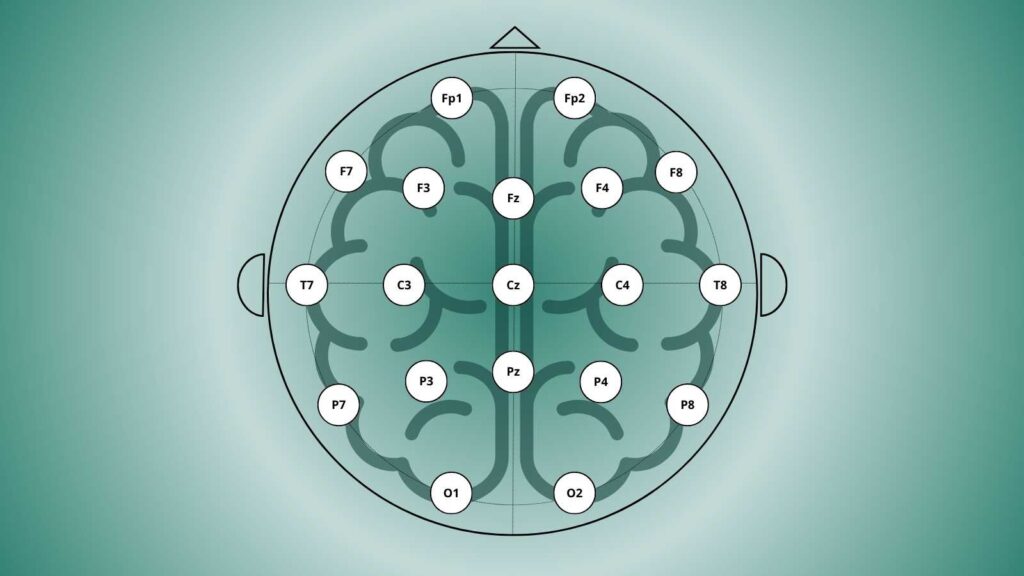
A Guide to EEG Electrode Placement: The 10–20 System Explained
If you are thinking about conducting EEG research, you may have come across the term International 10–20…
-
From Literature to Live Data: LLMs as Full-Cycle Research Companions
For decades, the challenge in neuroscience has not only been collecting brain data, it has been making…
-
When Sound Becomes Medicine: BrainAccess HALO in Music Therapy Research
Can lying on a vibrating table listening to carefully crafted audio actually change your brain? A team…
-
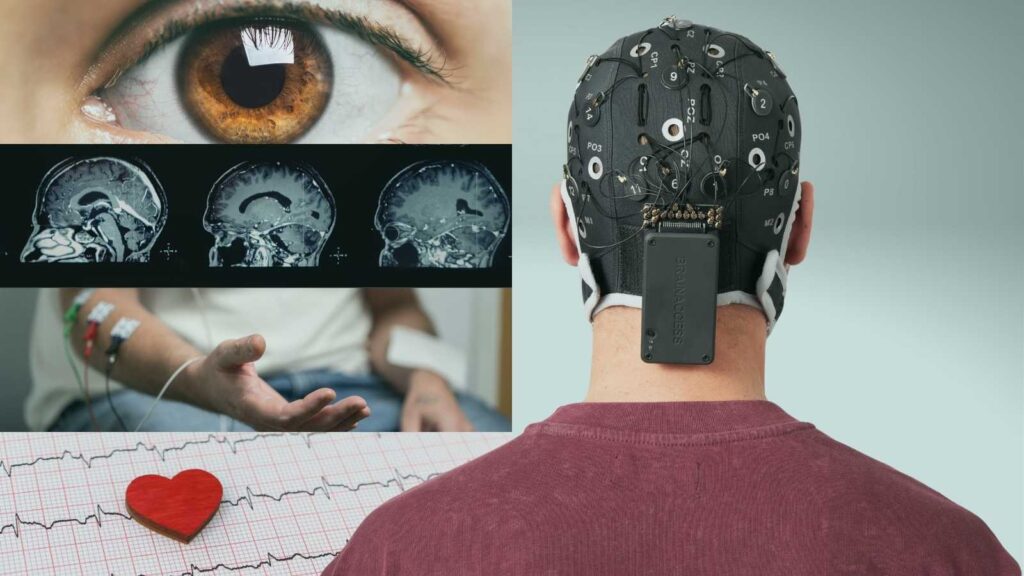
Multimodal Integration: How Your Experiment Can Benefit from Multiple Modalities
In this article, we explore multimodal integration, the practice of combining signals from different sensors in the…
-
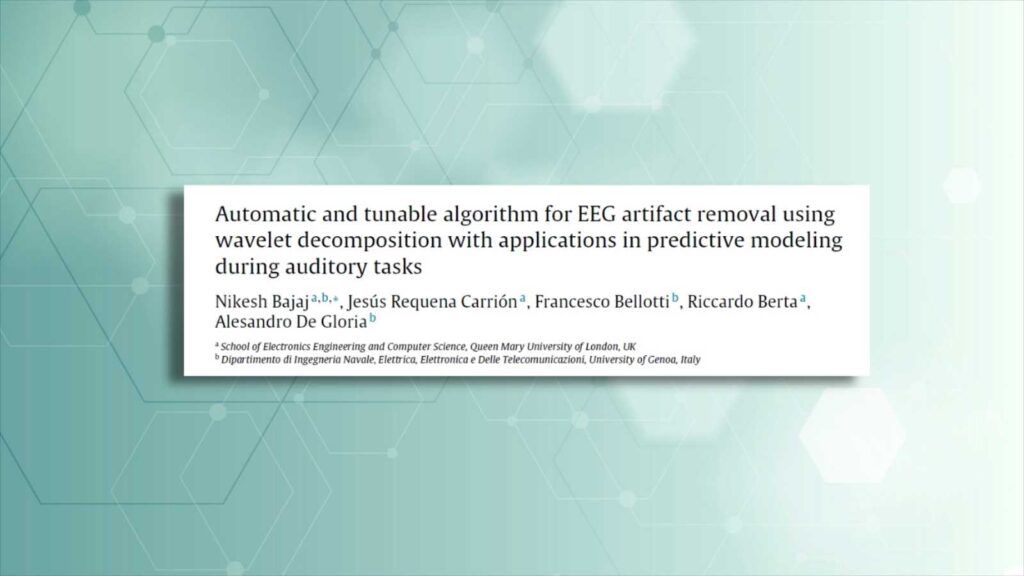
Cleaner Brain Signals with ATAR: a tunable wavelet algorithm
EEG is one of the most powerful tools we have for reading brain activity in real time.…
-
BrainAccess Sponsors Brainhack Warsaw 2026
We’re thrilled to announce that BrainAccess is a proud sponsor of Brainhack Warsaw 2026 — one of…
-
Is More Channels Always Better? A practical guide to EEG electrode count trade-offs
When researchers encounter a new EEG system, one of the first numbers they look at is the…
-
Inside & Around the Ear: Brain Signals Without the Cap
A new generation of tiny EEG devices sits inside or just around your ear. Here’s what they…